Contents:
- Quick Answer: Why Is Floral Foam Being Banned?
- What Is Floral Foam? The Science and the Staple
- The Environmental Impact: From Microplastics to Pollution
- Toxic Ingredients and Microplastic Fallout
- Chemical Leaching and Hazardous Waste
- Pull-Quote
- Where Is Floral Foam Banned? The Legal Landscape in 2026
- State-by-State Status (2026)
- Sustainable Alternatives: What Florists Are Using Now
- Top Floral Foam Alternatives
- Cost Comparison (2026)
- What Do Florists Say?
- How the Ban Impacts Florists and Event Designers
- The Future of Floristry: What’s Next for US Flower Lovers?
- FAQ: Floral Foam Ban, Answered
- What is floral foam made of?
- Is floral foam biodegradable or compostable?
- Are there safe alternatives to floral foam?
- Where is floral foam banned in the US?
- Can I buy floral foam at craft stores now?
- Ready to Go Foam-Free? How to Start
Why Floral Foam Is Being Banned
A classic wedding arch draped with peonies, roses, and trailing eucalyptus. For decades, every American florist from New York City to Pasadena created this look using one signature tool: a block of light-green floral foam. Until recently, few questioned this staple of flower arranging. But in 2026, the story around floral foam has changed dramatically, and its future in US floristry is uncertain.
Quick Answer: Why Is Floral Foam Being Banned?
Floral foam is being banned across many states and countries due to its environmental harm. The foam, sold under brands like Oasis, is a single-use plastic made from phenol-formaldehyde resin. It breaks down into microplastics, pollutes waterways, and contains chemicals toxic to aquatic life. With growing environmental regulations and pressure from eco-conscious consumers, the US floral industry is shifting away from floral foam in favor of sustainable alternatives.
What Is Floral Foam? The Science and the Staple
Walk into any professional flower shop, and you’re likely to spot bricks of bright green foam stacked behind the counter. This foam, most commonly referred to by the brand Oasis, revolutionized flower arranging when it debuted in 1954. It’s technically called phenol-formaldehyde foam–a petroleum-derived plastic that’s lightweight, easy to cut, and can hold dozens of stems firmly in place.
A single brick of floral foam can soak up to two quarts of water. Florists value it for its ability to keep arrangements hydrated and structurally secure, especially in complex designs like funeral sprays or event centerpieces. According to Jane Delgado, AIFD-certified florist and instructor at The American Floral Design School, “For decades, you simply couldn’t do certain looks–hanging clouds, wreaths, floral sculptures–without foam. It was the backbone of large-scale event work.”
But beneath its practical surface, floral foam harbors a major secret: it’s an environmental hazard.
The Environmental Impact: From Microplastics to Pollution
Toxic Ingredients and Microplastic Fallout
Floral foam is not biodegradable. After a single event, those watery green bricks head straight to landfills. Worse, as they break apart, they shed billions of microscopic plastic fragments–microplastics–that slip into soil and waterways. Microplastics have been detected in 94% of US tap water, according to a 2024 study by the Water Science Institute.
A single foam brick can release up to 100 million microplastic particles as it is broken up and disposed of. When these particles reach rivers and oceans, they threaten aquatic species and enter the food chain.
Chemical Leaching and Hazardous Waste
Floral foam contains phenols and formaldehyde, both of which are carcinogenic in high doses. While levels in arrangements are low, discarded foam leaches these chemicals into the environment over time. According to Dr. Linda Garvey, an environmental toxicologist at UC Berkeley, “The chemicals inside floral foam persist for decades, with measurable toxicity to plants and aquatic insects even at low concentrations.”
Pull-Quote
“A single wedding can generate 10-20 pounds of microplastic waste, simply from discarded floral foam in centerpieces.”
– Dr. Linda Garvey, Environmental Toxicologist
Where Is Floral Foam Banned? The Legal Landscape in 2026
Starting in 2025, the US saw its first statewide restrictions on floral foam. California, New York, and Washington now prohibit the commercial sale or use of non-biodegradable floral foam. Major US cities, such as Seattle and San Francisco, have also enacted local bans, especially for municipal events.
Internationally, the UK banned floral foam in public sector procurement in 2024. The EU Parliament is set to phase out most single-use phenolic foams by 2027.
State-by-State Status (2026)
| State | Status | Notes |
|---|---|---|
| California | Ban in effect | Commercial sales prohibited statewide |
| New York | Ban in effect | Applies to all events and commercial florists |
| Washington | Ban in effect | Enforcement via solid waste regulations |
| Texas | No ban, but major retailers pulled | Kroger, H-E-B stopped stocking foam in 2025 |
| Florida | No statewide ban | Local bans in Miami, Orlando |
| Illinois | Pending legislation | State House expected to vote summer 2026 |
Retailers like Michaels and Joann Fabrics have voluntarily pulled Oasis floral foam from shelves nationwide as of January 2026.
Sustainable Alternatives: What Florists Are Using Now
The demand for “foam-free floristry” is reshaping American flower design. The transition isn’t always easy, but dozens of tools and techniques–some old, some new–are now widely used.
Top Floral Foam Alternatives
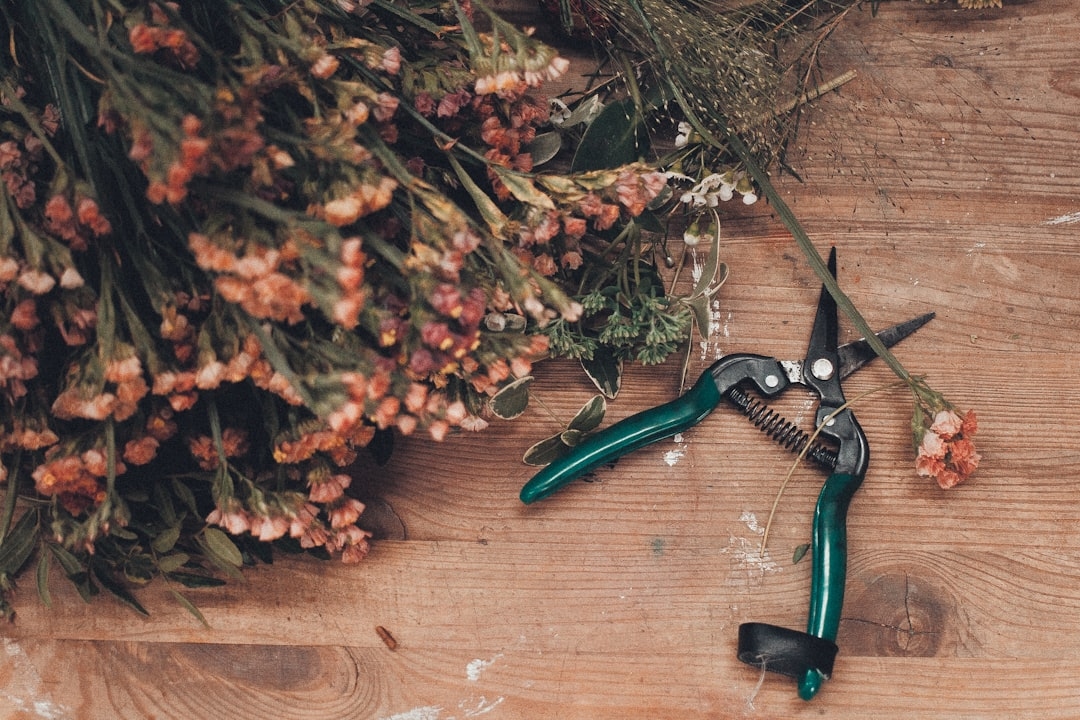
- Chicken wire and reusable armatures: Metal grids can be shaped to fit vintage vessels or arches. These are sturdy, reusable for years, and recyclable in the US.
- Frog pins / Kenzan: Heavy, spiked metal holders (originally from Japanese ikebana traditions) anchor stems securely in shallow water.
- Agrawool / FiberFloral Bricks: These biodegradable foams, made of basalt fibers or plant-based cellulose, break down naturally in compost. Agrawool, for instance, degrades in less than 6 months.
- Reusable flower grids: Clear acrylic or silicone grids fit over vases, holding stems in place–great for everyday arrangements.
- Moss-wrapped structures: Sphagnum moss, held with twine, can create a hydrated but compostable base for flowers.
Cost Comparison (2026)
| Option | Price per Use | Eco-Friendliness | Reusability |
|---|---|---|---|
| Oasis Floral Foam | $1-$2/block | Non-biodegradable | Single-use |
| Chicken Wire Armature | ~$4/setup | Recyclable | 10+ uses |
| Agrawool Bricks | $2.50/block | Biodegradable | Single-use |
| Frog Pin (Kenzan) | $7-$20 | Reusable, recyclable | 50+ uses |
Most foam-free methods add $5-$20 in up-front cost per event, but savings increase over time with reusables.
What Do Florists Say?
According to Emma Chen, Creative Director at Flowerhaus LA, “Clients love the story behind foam-free designs. We’re upfront that our centerpieces use moss and recycled wire–people appreciate the care for the planet, and many are willing to pay a bit more.”
How the Ban Impacts Florists and Event Designers
The transition isn’t just about swapping materials; it’s a full shift in workflow and mindset. For large-scale event florists, the ban has required retraining staff and retooling entire processes.
- Setup Time: Arranging with wire or frogs can add 10-30% more setup time compared to foam, especially for complex installations.
- Training: Many American florists have taken new workshops in sustainable mechanics–groups like Slow Flowers Society and the Sustainable Floristry Network report a 400% increase in membership since 2023.
- Waste Management: Foam-free methods slash landfill waste, allowing “zero-waste” event claims, which are increasingly requested in contracts for hotels and corporate events.
- Consumer Demand: According to a 2025 survey by Teleflora, 62% of US flower buyers prefer arrangements labeled as sustainable or foam-free, up from 38% in 2021.
The Future of Floristry: What’s Next for US Flower Lovers?
With environmental priorities front and center, the floristry industry is seeing rapid innovation. Several new products are being tested by American florists in 2026:
- Hydrogel beads and plant-based blocks: Startups in California and Oregon are racing to patent new water-holding gels made from corn cellulose.
- 3D-printed structural grids: Boutique studios in Brooklyn use custom-printed armatures based on vase scans for one-of-a-kind shapes–fully reusable and plastic-free.
- Bio-based adhesives: Instead of wires or pins, some florists use natural tree resins to anchor stems.
Expect more major flower delivery services–like UrbanStems and Farmgirl Flowers–to proudly advertise “no floral foam” on their US websites. The trend: arrangements that are both visually stunning and planet-friendly.
FAQ: Floral Foam Ban, Answered
What is floral foam made of?
Floral foam consists of phenol-formaldehyde resin, a petroleum-based plastic. It’s light, water-absorbent, and typically single-use.
Is floral foam biodegradable or compostable?
No, traditional floral foam does not biodegrade or compost. It breaks down into microplastics, persisting for decades in the environment.
Are there safe alternatives to floral foam?
Yes, florists now use chicken wire, metal frogs (kenzan), moss, and biodegradable foams like Agrawool, all of which offer structural support without the environmental harm.
Where is floral foam banned in the US?
As of 2026, California, New York, and Washington have statewide bans on non-biodegradable floral foam. Several cities across the US have local bans as well.
Can I buy floral foam at craft stores now?
Major US retailers like Michaels, Joann Fabrics, and Hobby Lobby have removed traditional floral foam from shelves as of early 2026 because of environmental concerns and legislative changes.
Ready to Go Foam-Free? How to Start
If you’re a hobbyist or pro, consider trying foam-free mechanics on your next arrangement. Invest in a frog pin or reusable wire grid. Join a local sustainable floristry workshop (many are now offered online across the US). And the next time you order flowers–ask your florist how they design, and why it matters. Every arrangement is a chance to be both beautiful and responsible.