Contents:
- Why Minimal Glass Vases Work So Well With Ranunculus
- The Problem: Most Home Arrangements Miss Three Simple Things
- Seasonal Timeline: When to Buy Ranunculus
- What You Need Before You Begin
- Step-by-Step: Styling Ranunculus in a Minimal Glass Vase
- Step 1 — Condition the Stems First
- Step 2 — Prepare the Vase
- Step 3 — Strip the Lower Foliage
- Step 4 — Cut the Stems at an Angle, Under Water
- Step 5 — Place the Stems One at a Time
- Step 6 — Choose the Right Location
- Step 7 — Maintain the Arrangement Daily
- Examples: Three Ways to Style Ranunculus in a Glass Vase
- The Single-Color Column
- The Loose Drift
- The Single Stem in a Bud Vase
- What the Pros Know: The Florist’s Trick for Ranunculus
- Sustainability and Eco-Friendly Angle
- Troubleshooting Common Problems
- The Stems Are Drooping Within 24 Hours
- The Blooms Are Not Opening
- The Water Is Clouding Up Quickly
- The Petals Are Browning at the Edges
- The Arrangement Looks Too Sparse After a Few Days
- Frequently Asked Questions
- How long do ranunculus last in a glass vase at home?
- Do I need to add anything to the vase water?
- Can I mix ranunculus with other flowers in a minimal glass vase?
- What is the best glass vase shape for a small ranunculus bunch?
- Where can I buy ranunculus that are actually fresh?
- The Bigger Picture: Why One Vase of Ranunculus Is Worth It
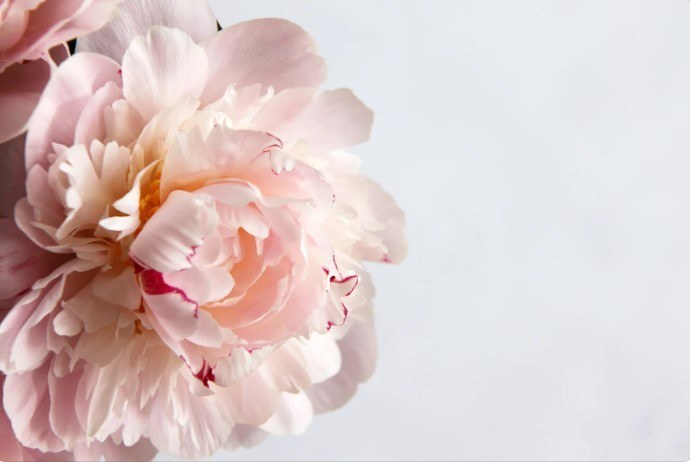
You unwrap the tissue paper and there they are — ranunculus blooms stacked like tiny ruffled bonnets, each petal so thin it catches the light like tissue silk. The colors read almost edible: cream with a blush center, coral fading to ivory at the edges, deep burgundy so saturated it looks painted. You set them on the kitchen table next to a plain glass cylinder vase and think: I have no idea where to start. The flowers are almost too pretty to touch.
That moment of hesitation is familiar to anyone who has brought ranunculus home for the first time. They look delicate — and they are — but styling them in a minimal glass vase is far more forgiving than it appears. Once you understand a handful of guiding principles, the arrangement almost puts itself together. This guide walks through every step, from choosing the right vase to knowing when the blooms have reached their natural end, with practical tips drawn from professional floral designers.
Why Minimal Glass Vases Work So Well With Ranunculus
Ranunculus (Ranunculus asiaticus) belongs to the buttercup family and produces densely layered blooms on slender, slightly wavy stems. That combination — architectural petals, organic stems — creates a natural visual tension that a heavily decorated vase would compete with rather than complement. A clean glass cylinder or simple round bud vase lets the flowers be the statement.
Glass also gives you something a ceramic or opaque vase cannot: a full view of the stems inside the water. When the stems arc naturally inside a clear vessel, the arrangement gains a second visual layer, almost like a botanical illustration in three dimensions. The effect is calm, considered, and genuinely elegant — all without expensive supplies or formal training.
From a budget standpoint, a single inexpensive glass cylinder (available at most dollar stores or thrift shops for under $5) can be used indefinitely. You do not need a new vase for every arrangement. The investment is in the flowers themselves, and ranunculus, especially when ordered in season, are among the best value blooms available. A single bunch can hold 10 to 15 stems, and even a modest $20 to $30 budget gets you enough flowers for a genuinely impressive display when styled correctly.
The Problem: Most Home Arrangements Miss Three Simple Things
The majority of ranunculus arrangements that disappoint at home fail for the same three reasons. First, the stems are cut too short too quickly, eliminating the natural arc that makes the flowers look effortless in a vase. Second, the vase is too large, so the stems splay outward and the arrangement loses its focus. Third, overcrowding compresses the blooms and prevents them from opening fully, which is the entire payoff with ranunculus — watching each flower slowly unfurl into its full, layered self over two to three days.
None of these problems require expensive solutions. They require slowing down and looking at what the flower wants to do naturally, then creating the conditions for that to happen.
Seasonal Timeline: When to Buy Ranunculus
Timing your purchase to the natural growing season improves quality and lowers cost significantly. Ranunculus is a cool-season crop. In the United States, peak domestic availability follows this rough calendar:
- Late January through February: Early California greenhouse crops hit the market. Quality is high but prices are still slightly elevated from holiday demand.
- March through April: Peak season. The widest color range, the most reliable stem length, and the most competitive pricing. This is the best window to buy.
- May: Late-season availability in cooler regions. Quality begins to vary as temperatures rise. Buy early in the month for the best results.
- June through December: Domestic field-grown ranunculus are largely off the market. Imported stems are available year-round but travel longer, which affects freshness.
If you want the best ranunculus at the best price, shop between mid-February and the end of April. During this window you can order ranunculus online from specialty floral retailers and receive stems that were harvested within 24 to 48 hours — far fresher than what sits in a grocery store bucket for days.
What You Need Before You Begin
The supplies list is intentionally short. Part of the minimal aesthetic is resisting the urge to over-engineer the arrangement. Gather the following before you start:
- A clear glass vase — cylinder, round, or slightly tapered. Diameter should be 3 to 5 inches for a standard 10-stem bunch.
- Sharp scissors or clean floral snips. Dull blades crush the stem tissue and reduce water uptake.
- A clean bowl or bucket filled with room-temperature water for initial conditioning.
- Fresh, clean tap water for the vase. Filtered water is not necessary.
- Optional: a single teaspoon of sugar and two drops of plain household bleach per quart of water, as a homemade floral preservative.
That is the complete list. You do not need floral tape, floral foam, wire, or flower food packets. The minimal approach extends to the supplies as well as the aesthetic.
Step-by-Step: Styling Ranunculus in a Minimal Glass Vase
Step 1 — Condition the Stems First
Before any cutting or arranging, place the entire bunch in a bucket or tall container of cool water and let the stems drink for at least one hour, preferably two. This rehydration step, called conditioning, allows the stems to recover from travel and storage. Ranunculus that skips conditioning often droops within a few hours of being placed in the final vase, not because they are past their prime, but because they are simply thirsty.
During conditioning, keep the stems in a cool, dim spot — away from direct sun and heat vents. A countertop away from the stove works well. The cooler the environment, the more efficiently the stems drink.
Step 2 — Prepare the Vase
Fill the glass vase roughly halfway with clean, room-temperature water. Cold water is fine but not necessary unless your home is unusually warm. Add the homemade preservative if you are using it: one teaspoon of sugar to feed the bloom, two drops of bleach to suppress bacterial growth. Stir briefly and set the vase aside.
A half-filled vase is deliberate. Too much water and you will submerge leaf material that quickly decomposes. Too little and the stems cannot drink adequately between changes. The halfway mark is the reliable middle ground.
Step 3 — Strip the Lower Foliage
Remove every leaf that would fall below the waterline in your vase. Submerged leaves decompose within 24 hours, clouding the water and releasing bacteria that clog the stems from the bottom up. This single step extends vase life by several days. Strip the leaves by hand — ranunculus foliage detaches cleanly without tools.
You can leave upper foliage in place. The small rounded leaves near the bloom add an attractive natural texture and complement the minimal aesthetic by breaking up the visual uniformity of bare stems.
Step 4 — Cut the Stems at an Angle, Under Water
Fill a bowl or shallow dish with water and submerge the lower two inches of each stem. Cut at a 45-degree diagonal using sharp scissors. The angled cut serves two purposes: it maximizes the surface area available for water uptake, and it prevents the stem from sitting flat against the vase bottom where the cut end could become sealed by suction.
Cutting underwater is the most important detail here. The moment a stem is cut in open air, the plant’s natural response is to seal the cut with a small air bubble, blocking water flow. Cutting under water prevents that seal from forming. Even if you cannot do every stem this way, do at least the first cut on fresh flowers.
Aim for a stem length that positions the blooms about four to six inches above the vase rim. This is the sweet spot for minimal arrangements — the flowers float just above the glass, and the stems create an elegant visual line inside the vase.
Step 5 — Place the Stems One at a Time
Do not drop the entire bunch into the vase at once. Place each stem individually, rotating the vase as you go. Start with the tallest stems at the center, then layer shorter stems around the outside at slightly different heights. The result is a natural dome shape — higher in the middle, gently sloping outward — which mirrors how ranunculus grows in the field.
For a 10-stem bunch in a 4-inch cylinder, a rough sequence works like this:
- Place three stems at the tallest length, centered.
- Add four stems at roughly one inch shorter, evenly spaced around the first group.
- Place the final three stems at the shortest length, filling gaps around the perimeter.
Step back between additions and look at the arrangement from across the room, not just up close. Distance reveals the overall silhouette. Adjust until the shape feels balanced without being symmetrical — a slight natural unevenness is more appealing than mathematical precision.
Step 6 — Choose the Right Location
Place the finished vase away from direct sunlight, heating vents, and ripening fruit. Each of these shortens vase life for different reasons: direct sun speeds up petal degradation, heat accelerates respiration and wilting, and ethylene gas from ripening fruit — especially apples and bananas — triggers premature aging in cut flowers.
The ideal location is a cool, well-lit spot with indirect natural light. A kitchen table away from windows, a bedroom dresser, or a bathroom counter with good ambient light all work well. Ranunculus do not need sunlight once cut — they are no longer photosynthesizing. They just need cool, clean conditions.
Step 7 — Maintain the Arrangement Daily
Change the water every two days. Each time you do, re-cut the stems by about half an inch under water and remove any leaves that have slipped below the waterline. Rinse the vase itself to remove any bacterial residue before refilling. This maintenance routine takes under five minutes and can extend the life of a fresh ranunculus arrangement from five or six days to ten days or longer.
Watch for individual blooms that are fading before others. Remove them promptly — dying flowers emit ethylene gas that accelerates aging in the remaining healthy blooms. A 12-stem arrangement can be gradually edited down to five beautiful stems over the course of a week and still look intentional and elegant.
Examples: Three Ways to Style Ranunculus in a Glass Vase
The Single-Color Column
Choose one color — all white, all peach, all deep red — and fill a narrow cylinder with a tight grouping of eight to ten stems at very close heights. The monochromatic palette in a clear vase creates a graphic, almost architectural effect. This works especially well in modern or Scandinavian-style interiors. The glass allows the uniformity to read as intentional rather than understated.
The Loose Drift
Take a wider, shorter bowl-shaped glass vase and arrange a mixed-color bunch loosely, letting some blooms nod slightly outward over the rim. The key here is not to force the stems upright — allow each one to settle at its natural angle. The result is an impressionistic cluster that looks as though the flowers simply fell into the vase that way. Pair this style with a rustic wooden surface for a warm, organic look.
The Single Stem in a Bud Vase
One ranunculus bloom in a slender bud vase is a complete arrangement. Choose the most fully opened bloom from a larger bunch, cut it to about eight inches, and place it alone in three inches of water. The single-stem approach works beautifully for bathroom counters, home office desks, or bedside tables — anywhere a larger arrangement would feel out of scale. A row of three bud vases each holding a single stem of a different color is one of the most effective and budget-conscious tablescapes possible.
What the Pros Know: The Florist’s Trick for Ranunculus
Professional floral designers almost never arrange ranunculus in full bloom. They buy and receive stems in the bud stage — tight, closed, with just a hint of color showing at the tip — and allow them to open in the vase over two to three days. The reason is simple: a bud has more structural integrity for handling and transport, and the opening process inside the vase is part of the experience. Watching a ranunculus bud slowly unfurl from a closed sphere into a fully layered bloom is genuinely rewarding, and the open bloom lasts longer when it starts from a bud than when it is bought already open.
When you order or shop, look for stems where the bud has color showing but the petals have not yet separated. Avoid blooms that are already fully open, especially if you plan to enjoy them for more than a few days. Tight buds plus proper conditioning equals the longest possible vase life.
This same logic applies when you browse complementary flowers. If you want to build out a mixed seasonal arrangement, stock flowers are an excellent companion to ranunculus — similar delicacy, overlapping season, and an attractive vertical spike that contrasts well with ranunculus’s round form. You can explore options at https://mypeonika.com/collections/stock-flower-bouquets.
Sustainability and Eco-Friendly Angle
The minimal glass vase approach is inherently more sustainable than arrangements built with floral foam, which is a non-biodegradable petroleum product that breaks into microplastics and cannot be recycled. Every arrangement in a plain glass vase skips floral foam entirely and creates zero floral-waste plastic in the process.
Beyond the vase itself, there are a few other ways to reduce the environmental footprint of cut flowers at home:
- Buy in-season domestically grown stems. California-grown ranunculus, available March through May, travel far fewer miles than imported stems from Ecuador or Colombia. Shorter supply chains mean lower emissions and fresher flowers.
- Use DIY preservatives instead of packaged flower food sachets. The sugar-and-bleach formula described above contains no synthetic additives and uses materials you already have, eliminating single-use packaging.
- Compost spent blooms. Ranunculus petals and stems are fully compostable. A backyard compost bin or municipal organics pickup handles them easily. Even the vase water, if you have not used bleach, can be poured onto outdoor plants without harm.
- Extend vase life intentionally. The single most impactful eco choice is simply keeping flowers alive longer. Every extra day of vase life means fewer bouquets purchased over the course of a year and fewer resources spent on growing, transporting, and packaging cut flowers.
For those who want to go further, look for ranunculus from farms that hold Rainforest Alliance or Veriflora certification, which verify fair labor practices and reduced pesticide use. These are increasingly available through specialty online retailers. https://mypeonika.com/ sources from growers with responsible practices and provides full origin transparency on seasonal offerings.
Troubleshooting Common Problems
The Stems Are Drooping Within 24 Hours
This almost always means the stems did not get adequate conditioning before being placed in the final vase, or there is an air bubble in the stem blocking water uptake. Solution: remove the stems from the vase, re-cut the bottom inch under water, and place the flowers back in fresh water. In most cases they recover within two to four hours. If a stem is severely wilted, wrap the entire flower loosely in newspaper (to give the head support), place it in deep water up to the base of the bloom, and leave it for two to three hours. This is called a floral reset and it works on most ranunculus with surprising reliability.
The Blooms Are Not Opening
Ranunculus buds that refuse to open are usually too cold. If your home is below 65°F, move the vase to a warmer room and give the buds 12 to 24 hours. Warmth is the trigger for opening. Avoid placing them in direct heat, which opens them too fast and shortens vase life — aim for a moderate room temperature between 65°F and 72°F.
The Water Is Clouding Up Quickly
Cloudy water within a day or two indicates high bacterial activity. Check for any submerged leaves or plant material and remove them immediately. Add two drops of bleach to the fresh water at the next change and make sure to rinse the vase thoroughly before refilling. Going forward, change the water daily rather than every two days until the issue resolves.
The Petals Are Browning at the Edges
Edge browning on ranunculus petals is almost always caused by low humidity, direct sun, or dry heat from vents. Move the vase to a location with more ambient humidity — a kitchen or bathroom is ideal — and ensure it is not in the path of any heating or air conditioning vent. In dry winter climates, a small humidifier near the arrangement can make a noticeable difference.
The Arrangement Looks Too Sparse After a Few Days
As individual stems are removed, a large vase can start to look underfilled. Rather than adding filler material, downsize the vase. Transfer the remaining stems to a smaller bud vase or narrower cylinder. The arrangement will look intentional and complete rather than depleted. The minimal approach adapts naturally to the natural lifecycle of the flowers.
Frequently Asked Questions
How long do ranunculus last in a glass vase at home?
With proper conditioning, clean water, and a cool location, fresh ranunculus typically last 7 to 10 days in a glass vase. Stems purchased as tight buds and allowed to open in the vase often reach 10 to 12 days. The main variables are stem freshness at purchase, room temperature, and how consistently the water is changed.
Do I need to add anything to the vase water?
It is not strictly required, but a simple homemade preservative — one teaspoon of sugar and two drops of plain household bleach per quart of water — noticeably extends vase life and keeps the water cleaner between changes. Commercial flower food packets work equally well if you have them. Plain water with regular changes is the minimum viable option and still produces good results.
Can I mix ranunculus with other flowers in a minimal glass vase?
Yes, though the key is choosing flowers with similar stem thickness and water needs. Stock flowers, sweet peas, and anemones are natural companions to ranunculus — similar scale, overlapping season, and compatible care. Avoid mixing ranunculus with daffodils or narcissus, which secrete a sap toxic to other cut flowers. If you want to mix, condition each type separately for a few hours before combining them in the same vase.
What is the best glass vase shape for a small ranunculus bunch?
For 8 to 12 stems, a cylinder vase with a 3- to 4-inch opening is the most reliable choice. It keeps the stems grouped without forcing them apart, which maintains the dome silhouette. A round fishbowl-style vase works for a looser, more informal arrangement. Avoid vases with very wide openings that allow stems to splay, and avoid very narrow openings that compress the blooms. If in doubt, a simple 6-inch-tall cylinder is the most versatile and forgiving option.
Where can I buy ranunculus that are actually fresh?
The freshest cut ranunculus typically come from specialty online floral retailers that source directly from farms and ship within 24 to 48 hours of harvest. Local florists are a good option if they turn over inventory quickly — ask when they receive deliveries and try to shop on or just after delivery day. Grocery store flowers are the most convenient but often sit in buckets for three to five days before purchase, which significantly reduces available vase life.
The Bigger Picture: Why One Vase of Ranunculus Is Worth It
There is a category of small home improvements that cost almost nothing and deliver an outsized return on everyday wellbeing. A simple glass vase of ranunculus, styled with a little attention and maintained with five minutes of care every couple of days, is squarely in that category. The flowers change the quality of light in a room. They give a kitchen counter or a bedside table a sense of intention. They are the sort of detail that guests notice without being able to say exactly why the space feels different.

The minimal glass vase approach removes every barrier between you and that result. There is no specialized knowledge required, no expensive tools, no elaborate technique. There is only a good bunch of flowers, a clean glass vessel, and the straightforward steps described above. The arrangement will not look the same on day one as it does on day seven — it will look better, as each bloom opens fully and the whole bunch settles into the vase — and that evolution is part of what makes ranunculus worth buying and styling at home.
Whether you are building a regular habit of fresh flowers or simply want to make a single arrangement last as long and look as good as possible, the principles here apply every time. Buy in season, condition before arranging, give the stems room to breathe, and change the water consistently. The rest takes care of itself.