Contents:
- Quick Answer: How to Find Local Flower Farmers Near You
- Why Buy from Local Flower Farmers?
- Imported vs. Local Flowers: At a Glance
- Using Online Directories to Locate Local Flower Farms
- Top Directories for US Flower Farmers
- How to Use These Directories
- Farmers Markets: Your Weekly Source for Local Flowers
- What to Expect at the Flower Stall
- How to Find Which Markets Have Flowers
- Social Media: The Modern-Day Word-of-Mouth
- Instagram Hacks for Finding Flower Farmers
- Facebook Groups & Local Forums
- Visiting Flower Farms In Person
- What You’ll Find at Local Farms
- How to Book a Visit
- What’s Blooming When?
- Flower Subscriptions & CSA Shares
- How Flower CSAs Work
- Subscription Perks
- Working with Local Florists Who Support Flower Farmers
- How to Tell If a Shop Uses Local Flowers
- Notable US Florists Championing Local Flowers
- FAQ: Finding Local Flower Farmers in the US
- How can I tell if flowers at my grocery store are locally grown?
- Are farmers markets flowers less expensive than florists or supermarkets?
- Can I visit local flower farms any time of year?
- Do local flower farmers deliver to homes?
- Ready to Find Your Local Flower Farmer?
How to Find Local Flower Farmers: Your Go-To Guide for Fresh Blooms & Community Connection
Every stem tells a story. Sourcing flowers directly from local flower farmers isn’t just a trend–it’s a quiet revolution in American floristry. Bypass the cookie-cutter bouquets in big box stores and you’ll discover: the scent is richer, the colors more surprising, and the feeling–knowing exactly where your blooms are grown–truly unbeatable.
Quick Answer: How to Find Local Flower Farmers Near You
Looking for local flower growers in the US? Here’s how:
- Search directories like LocalHarvest.org and Slow Flowers.
- Use Instagram geo-tags and hashtags (#localflowers, #[yourstate]flowers).
- Check your local farmers market vendor lists.
- Ask neighborhood florists for farmer partnerships.
- Google “[city] flower farm” or “[state] cut flowers” for leads.
“Nothing compares to the just-cut fragrance of a properly field-grown sweet pea or dahlia. Find your nearest flower farmer–you’ll never regret it.”
– Elena Tran, Flower Farmer & Owner, WildPetals Cooperative (Seattle, WA)
Now, let’s dig deeper and see why (and exactly how) you can source flowers closer to home.
Why Buy from Local Flower Farmers?
Americans spend over $35 billion on flowers annually (Statista, 2026). Yet, an estimated 80% of cut flowers in major US shops are imported–flown in from Ecuador, Colombia, or Kenya (USDA, 2025). Local flowers offer a fragrant alternative:
- Superior freshness. Blooms often go from field to vase within 24 hours.
- Wider variety. Think quirky zinnias, heirloom daffodils, or rare ranunculus unavailable at big chains.
- Boosting local economies. $1 spent locally circulates 3-5x more in your community than a dollar spent with global vendors (American Independent Business Alliance, 2026).
- Eco-friendly impact. Local flowers are almost always lower carbon–no 3,000-mile flights or heavy chemical fumigation.
- Personal touch. Direct-from-farmer bouquets sometimes include handwritten notes, care tips, or even a surprise stem.
Imported vs. Local Flowers: At a Glance
| Factor | Imported Flowers | Local Flower Farmers |
|---|---|---|
| Average Travel Distance | 2,500-4,000 miles | Under 200 miles |
| Freshness Window | 7-12 days after cutting | 24-48 hours after cutting |
| Variety | Mainstream (roses, etc.) | Seasonal, often unique species |
| Carbon Footprint | High | Significantly lower |
| Price per Bunch (USD) | $22-$35 | $18-$30 (varies by region & type) |
Using Online Directories to Locate Local Flower Farms
Finding flower growers in your area is much easier than it was a decade ago. Digital platforms have bloomed (pun very much intended).
Top Directories for US Flower Farmers
-
Slow Flowers Directory
- The best-known US network–over 1,000 farmer-florists, with sortable maps and profiles.
- Includes both small, sustainable farms and flower cooperatives.
-
LocalHarvest.org
- Massive agricultural directory (not just flowers), with farm-specific profiles, seasonal offerings, and contact info.
-
ASCFG (Association of Specialty Cut Flower Growers)
- Searchable member map; ideal for pro florists or weddings.
- Features award-winning growers like Sarah Lin, owner of Meadowgate Flowers, OH.
How to Use These Directories
- Enter your ZIP code or city.
- Filter for “cut flowers,” “pick-your-own,” or “seasonal bouquets.”
- Click profiles for farm details, order info, and growing practices (many list “Certified Naturally Grown” or organic status).
Pro Tip
Some directories offer newsletter sign-ups–get updates on seasonal availability, on-farm events, and bouquet subscriptions.
Farmers Markets: Your Weekly Source for Local Flowers
Nearly 8,000 certified farmers markets dot the US (USDA, 2026). Spring through fall, many feature at least one local flower vendor.
What to Expect at the Flower Stall
- Mixed field bouquets in mason jars ($15-$30)
- Single-stem bunches of sunflowers, peonies, tulips
- Seasonal specialties: foxglove, cosmos, sweet peas, snapdragons
- “By-the-stem” options: Build your own bouquet (average: $2-$5/stem)
- Subscription sign-ups: Weekly or bi-weekly flower CSA programs
Case Study:
At Union Square Greenmarket (NYC), more than 9 local flower growers sell direct every Saturday from April to November. Standouts: River Garden Farms (dahlias), and Fiori di Fenice (native wildflowers).
How to Find Which Markets Have Flowers
- Search your city’s official farmers market website or Facebook page for a vendor list.
- Ask market volunteers–flower growers often rotate between neighborhood markets.
- Look for market posters or flyers listing “Fresh Flowers” among produce and bread symbols.
Social Media: The Modern-Day Word-of-Mouth
Instagram and Facebook have become vital tools for connecting consumers to local flower farms–and vice versa.
Instagram Hacks for Finding Flower Farmers
- Search hashtags:
- #localflowers, #flowerfarmer, #[yourstate]flowers (e.g., #vermontflowers, #pennsylvaniaflowers)
- Geo-tag searches:
- Type in your town/city and see top posts labeled “flower farm,” “u-pick,” or “bouquets.”
- Check Instagram Stories:
- Many farmers update daily with their fresh cuts or pop-up locations.
Facebook Groups & Local Forums
- Join neighborhood groups (“[City] Gardeners” or “Buy Nothing [Area]”).
- Search posts for flower delivery, bouquet shares, or pop-up sales.
- Many flower farms run Facebook events for on-farm tours or workshops.
Pull-Quote
“The first place I look for a fresh bouquet in spring? Instagram. Most local growers post in real time–so you know exactly what’s blooming this week.”
– Mike B., Brooklyn, NY, Event Florist
Visiting Flower Farms In Person
For the full experience, nothing beats visiting the farm where your flowers are grown.
What You’ll Find at Local Farms
- U-pick events (average entry: $8-$15 per person)
- Bouquet-making workshops
- Tours of greenhouses, fields, and pollinator gardens
- Farm stores selling honey, art, and–of course–fresh stems
Example:
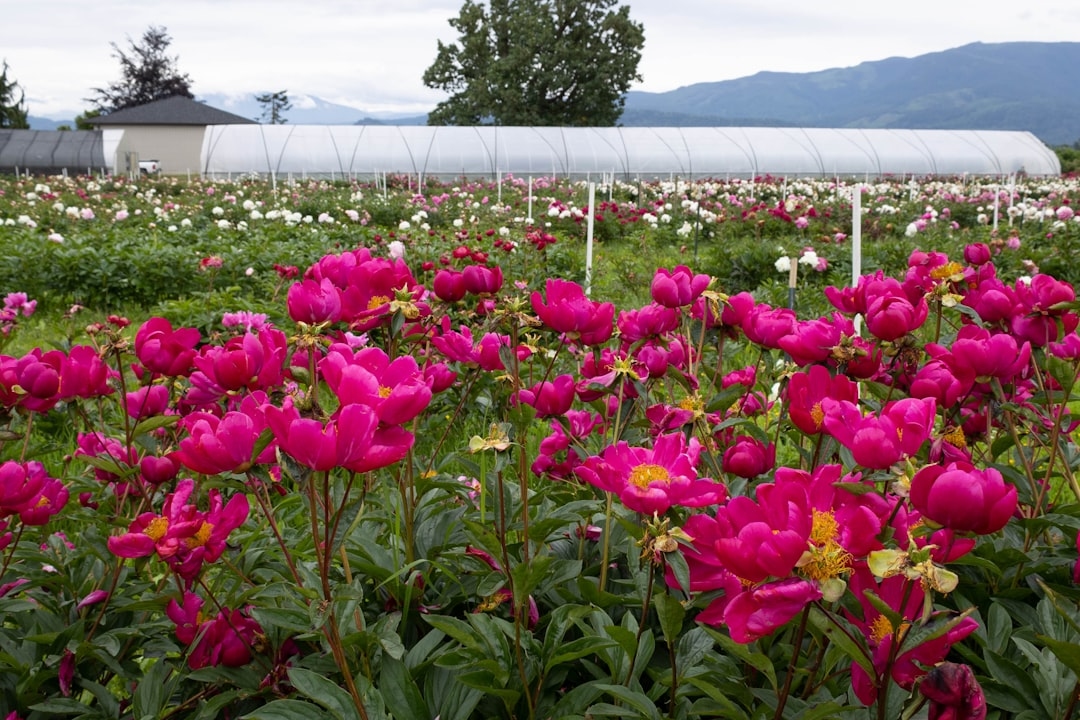
Field & Vine Flowers in Sonoma, CA, hosts twilight “Sip & Pick” events every Friday ($25/ticket) where guests wander rows of cosmos and larkspur with a glass of rosé.
How to Book a Visit
- Most farms require pre-booking, especially during peak bloom (April-September).
- Sign up via Eventbrite, the farm’s website, or direct message on social media.
- Bring clippers and a bucket (some farms provide these but check first).
What’s Blooming When?
A rough US-seasonality guide:
- March-April: Ranunculus, tulips, anemones, daffodils
- May-June: Peonies, irises, sweet peas
- July-August: Sunflowers, zinnias, dahlias, lisianthus
- September-October: Dahlias, amaranth, asters
Flower Subscriptions & CSA Shares
Many flower farmers now offer weekly or bi-weekly subscription services–think of them as the flower version of your local veggie CSA.
How Flower CSAs Work
- Pay upfront for a season’s worth of bouquets ($100-$350 for 6-12 weeks).
- Pick up at the farm, a central location, or have them delivered (extra $5-$15/week).
- Many farms include information cards about each week’s stems and how to care for them.
Insider Stat:
According to Jorge Rivera, M.S., Horticultural Economics, Rutgers University, “2026 saw a 32% increase in CSA flower subscriptions nationwide–especially in cities where florists are moving away from imported stock.”
Subscription Perks
- Priority access to rare blooms (peonies, ranunculus, fancy tulips)
- Good for gifting (Mother’s Day, birthdays, anniversaries)
- Supports long-term farm investment
Working with Local Florists Who Support Flower Farmers
Not every local flower lover has time for the market or a farm visit. Many florists now partner directly with regional growers.
How to Tell If a Shop Uses Local Flowers
- Ask: “What percentage of your flowers are sourced from local farms?” (Most quality shops will offer 50-80% in-season.)
- Look for signage: Some use “Certified American Grown” or “Slow Flowers Member” stickers in their window.
- Review their Instagram–look for tagged farms or behind-the-scenes flower deliveries.
Notable US Florists Championing Local Flowers
- Fox Fodder Farm (New York, NY)
- Farmgirl Flowers (San Francisco, CA–offers nationwide shipping of mostly US-grown bouquets)
- Field Bouquet (Chicago, IL)
- Olivier Gardens (Los Angeles, CA)
Pro tip:
Online flower delivery giants like 1-800-Flowers, ProFlowers, or FTD remain mostly reliant on imports. For truly local, seek out farm-to-vase specialists or boutique shops listed in the Slow Flowers directory.
FAQ: Finding Local Flower Farmers in the US
How can I tell if flowers at my grocery store are locally grown?
Most grocery store flowers are imported and labeled with the country of origin (“Product of Colombia,” etc.). Locally grown bouquets are usually marked with “USA” or the state farm name, but this remains rare outside of specialty groceries and co-ops.
Are farmers markets flowers less expensive than florists or supermarkets?
Often, yes. Farmers market bouquets average $15-$25, compared to $30-$55 at traditional florists for similar sizes. Plus, you typically get fresher, more unusual varieties.
Can I visit local flower farms any time of year?
Most US flower farms are open to the public from mid-spring through fall (April-October). Some have limited winter hours for wreaths or dried flowers but always check ahead.
Do local flower farmers deliver to homes?
Many offer local delivery within 10-25 miles for a small fee ($5-$15). Some have online ordering through their website or partner with farm-to-door services like Farmgirl Flowers or Floracracy.
Ready to Find Your Local Flower Farmer?
Pick a Saturday for the farmers market, join a local flowers Facebook group, or book a farm tour–there’s no one right way to start. Next time you’re drawn to a bouquet, ask where it was grown, or better yet: meet the hands that harvested it. The difference isn’t just visible–it’s tangible, fragrant, and deeply local. Your vases (and your community) will thank you.