Contents:
- Which Flowers Are Safe for a Newborn Nursery? (Clear Answer)
- Why Flower Choice Matters in a Nursery
- Key Risks from Unsafe Flowers
- Top 7 Flowers Safe for Newborn Nursery (US 2026 Edition)
- Extra-Safe Picks
- How to Display Flowers Safely in the Nursery
- Choose the Right Vase
- Location, Location, Location
- Change Water Frequently
- Keep It Simple
- What Flowers Should Be Avoided Near a Newborn? (And Why)
- Most Common Offenders
- Hidden Hazards
- Allergy-Friendly Flower Tips for Sensitive Newborns
- Opt for Hypoallergenic Blooms
- Go for Green
- Skip Arrangements in the Crib
- Sourcing Safe Flowers in the US (2026)
- FAQ: Flowers Safe for Newborn Nursery
- What is the safest flower for a baby’s nursery?
- Are roses safe for newborns?
- Which flowers should not be in a nursery?
- Can flowers trigger newborn allergies?
- Are houseplants safer than cut flowers for babies?
Flowers Safe for Newborn Nursery: The Expert Guide for 2026 Parents
Imagine bringing your baby home for the first time. Soft blankets, gentle lullabies, and sunlight peeking through the curtains. Now picture a vase of fresh flowers on the windowsill–an instant touch of natural beauty. But which blooms are safe for that dreamy nursery, and which might trigger allergies or worse? This isn’t just decoration; it’s a choice that can impact your newborn’s health.
Which Flowers Are Safe for a Newborn Nursery? (Clear Answer)
For a nursery, select flowers that are non-toxic, low on pollen, and have minimal fragrance. Safe options include:
- Orchids: Non-toxic, subtle fragrance, negligible pollen.
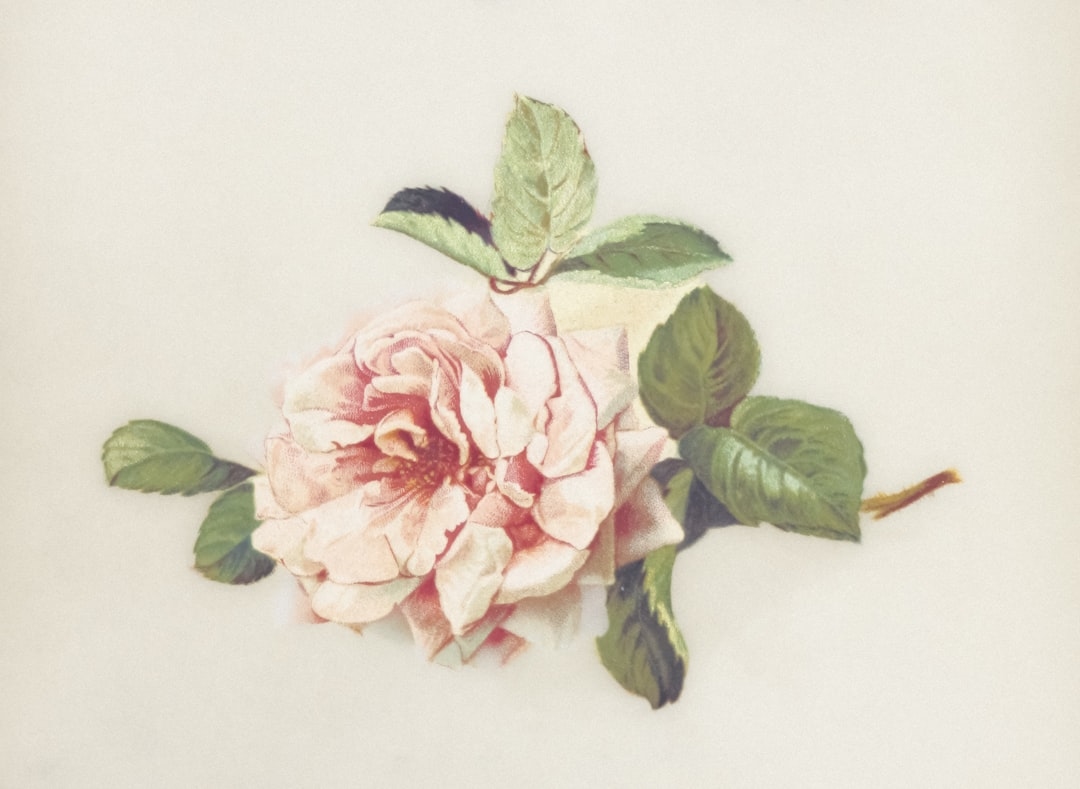
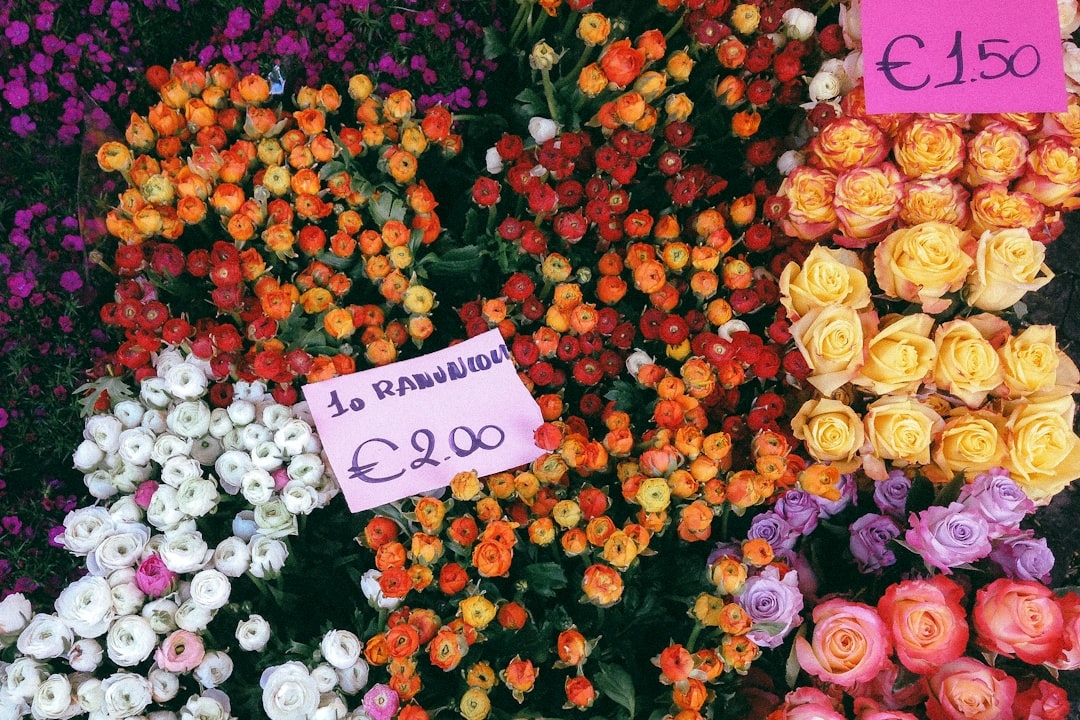
- Roses (without thorns): Non-toxic, low pollen if petals are closed, classic beauty.
- Gerbera daisies: Bright, cheerful, and low allergenicity.
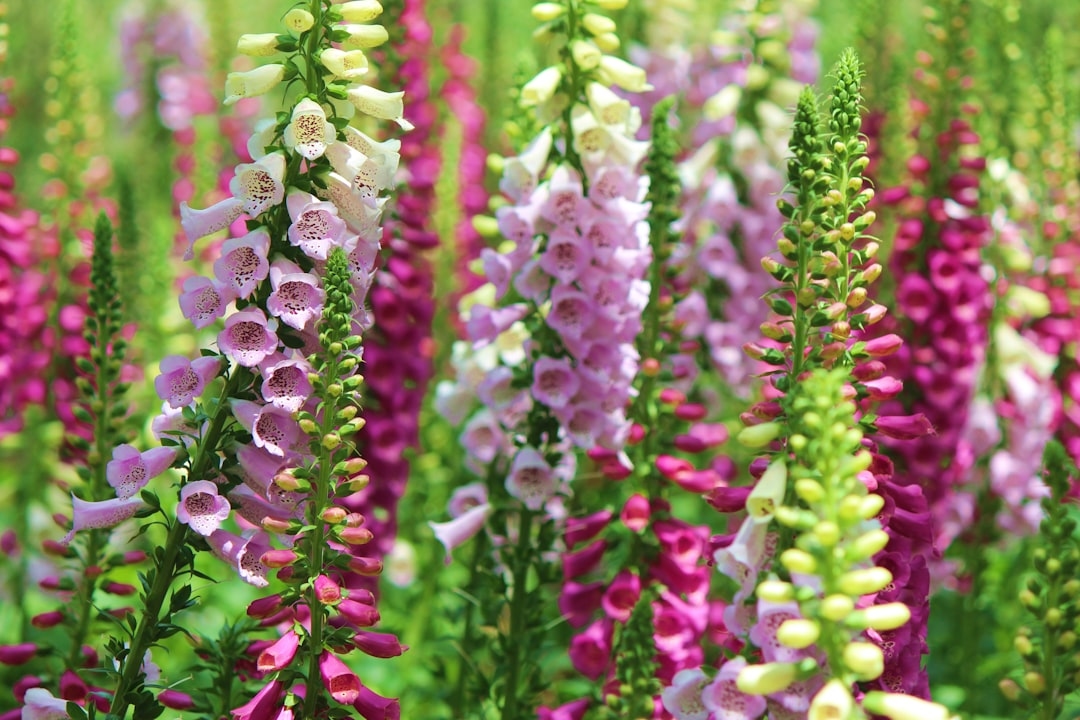
- Snapdragons: Non-toxic, low scent, and contained pollen.
- African violets: Non-toxic, minimal pollen, houseplant-friendly.
Avoid lilies, chrysanthemums, peonies, daffodils, and any flowers known for strong scent or high pollen. Always source from pesticide-free, reputable florists.
Why Flower Choice Matters in a Nursery
Hospital-grade cleanliness isn’t just for the delivery room. Babies–especially newborns–have developing immune and respiratory systems. According to Dr. Caroline Danner, a pediatric allergist at NYU Langone (board-certified, practicing since 2012), “Exposure to strong floral fragrances and airborne pollen has been shown to increase the risk of allergies and respiratory irritation in infants.” The CDC reported a 14% rise in pediatric allergy diagnoses in the US from 2018 to 2025. Your choice of flowers has real health implications.
Key Risks from Unsafe Flowers
- Toxicity: Some popular blooms, like lilies and tulips, contain compounds harmful if ingested or if their pollen is inhaled.
- Allergens: Even non-toxic flowers can shed pollen or release volatile organic compounds (VOCs) that irritate sensitive lungs.
- Mold: Poorly maintained vases can harbor mold, a trigger for infant allergies.
A single stem of the wrong plant could spell a trip to urgent care. That’s why cautious selection is crucial.
Top 7 Flowers Safe for Newborn Nursery (US 2026 Edition)
Here’s a quick reference table for parents shopping in the US, with pricing averaged from Flowerbx, UrbanStems, and local florists:
| Flower | Toxic? | Pollen? | Scent | Price/Stem (USD) | Nursery-safe? |
|---|---|---|---|---|---|
| Orchid | No | Minimal | Light | $7 | Yes |
| Rose (thornless) | No | Low (closed) | Light | $3 | Yes |
| Gerbera daisy | No | Low | Light | $2.50 | Yes |
| Snapdragons | No | Low | Mild | $2 | Yes |
| African violet | No | Minimal | None | $6 (potted) | Yes |
| Sunflower | Yes | High | Light | $1.75 | No |
| Lily | Yes | Very high | Strong | $4 | No |
Extra-Safe Picks
- Zinnias: Non-toxic, safe leaves–great for cheerful arrangements.
- Marigolds: Edible and naturally pest-resistant, but fragrance is more “herbal” than floral.
- Celosia: Non-toxic, bright, and velvety; pollen is minimal.
How to Display Flowers Safely in the Nursery
Gorgeous flowers deserve thoughtful placement–and a few smart precautions. Here’s how you can enjoy blooms without worry.
Choose the Right Vase
- Use shatterproof containers–think Lucite or BPA-free clear plastic–to avoid accidents.
- Skip oasis foam. It can harbor bacteria and contains chemicals.
Location, Location, Location
Keep arrangements out of reach. A high shelf or floating bracket works. Babies grow fast: what’s unreachable now may be within grasp in a few months.
Change Water Frequently
Dr. Megan Ruiz, owner of Brooklyn Buds Floristry and certified Master Florist (since 2017), advises, “Change water daily. Even a day-old vase can start to breed mold or bacteria, especially in warm nurseries.”
Keep It Simple
Single-variety bouquets reduce pollen risk and are easier to monitor for wilting or mold. Avoid mixed bunches with unknown species.
What Flowers Should Be Avoided Near a Newborn? (And Why)
Certain flowers are best left out of the nursery–no matter how beautiful.
Most Common Offenders
- Lilies: Highly toxic, potent fragrance, abundant pollen that stains and flies.
- Daffodils: Contain lycorine, a compound toxic to humans.
- Peonies: Scent is overpowering; attracts ants.
- Chrysanthemums: Common allergen; pyrethrins can irritate.
- Hydrangeas: Leaves and flowers contain cyanogenic glycosides.
Hidden Hazards
- Poinsettias: While less toxic than myth suggests, the sap can irritate skin and eyes.
- Eucalyptus: Often added to bouquets for greenery; toxic if chewed and can cause respiratory irritation.
Pull-quote:
“A surprising number of popular cut flowers, including several frequently sold in grocery store bouquets, are not considered safe for babies. Always double-check what’s in your arrangement.” – Megan Ruiz, Brooklyn Buds Floristry
Allergy-Friendly Flower Tips for Sensitive Newborns
Roughly 10-15% of American infants now display early allergy symptoms, per the Asthma and Allergy Foundation of America (2026 report). You don’t have to skip flowers entirely–just be strategic.
Opt for Hypoallergenic Blooms
Choose varieties bred for low pollen and minimal fragrance. Orchids, roses, and snapdragons are usually safe bets.
Go for Green
Foliage like baby’s tears (Soleirolia) or Boston fern adds texture and oxygenates indoor air without allergy risk. Just confirm your choice isn’t toxic.
Skip Arrangements in the Crib
Never put vases inside or directly above cribs. Even petals that fall can be risky if ingested.
Sourcing Safe Flowers in the US (2026)
Online flower delivery has boomed, with market leaders UrbanStems and The Bouqs Co. now offering “nursery-safe” tags on many bouquets. When buying:
- Request specifics: Ask for a list of every species in custom bouquets.
- Buy local: Farmers markets and local florists can tell you about pesticide use–a bonus for a baby’s environment.
- Watch for “Certified American Grown” labels**, which guarantee pesticide safety and freshness.
Most reputable US florists will flag allergy-friendly or pet/kid-safe options in 2026. Don’t hesitate to ask at checkout!
FAQ: Flowers Safe for Newborn Nursery
What is the safest flower for a baby’s nursery?
Orchids are considered among the safest flowers for a nursery. They are non-toxic, low on pollen, and have a very mild fragrance.
Are roses safe for newborns?
Roses (especially when thorns are removed and buds are closed) are safe for babies. They have low pollen and rarely cause allergies in infants.
Which flowers should not be in a nursery?
Avoid lilies, daffodils, chrysanthemums, peonies, hydrangeas, and any flower known to be toxic or highly fragrant.
Can flowers trigger newborn allergies?
Some flowers release pollen or airborne compounds that may trigger allergies or respiratory irritation in sensitive newborns. Stick to hypoallergenic, low-pollen varieties.
Are houseplants safer than cut flowers for babies?
Many houseplants are safe and allergen-friendly. African violets and Boston ferns are good choices, but always check toxicity if your baby might touch or mouth leaves.
Ready to add a touch of nature to your baby’s first room? Bookmark this guide, and take your nursery from cute to stunning–without worrying about sniffles or sneezes. Shop mindfully, ask your florist questions, and enjoy the peace of mind that comes with a flower-safe, allergy-friendly space for your newest arrival.