Contents:
- What Are Flower Auction Prices in the US? (Direct Answer)
- How US Flower Auctions Work
- Bidding, Buying, and the Digital Shift
- Key Players in the US Auction Scene
- Factors That Drive US Flower Auction Prices
- Seasonality and Holidays: The Demand Surges
- Climate, Supply Chain, and Imports
- Flower Type and Quality Grades
- How Auction Prices Shape Retail Floristry
- From Bid to Bouquet: Price Transmission
- Impact on Wedding and Event Florists
- Current Trends in US Flower Auction Pricing
- Sustainability and US-Grown Flowers
- Wildcards: Supply Shocks and Global Events
- The Digital Transformation
- Comparison Table: Typical US Auction vs. Direct Import vs. Domestic Grower Pricing (2026)
- Who Buys at US Flower Auctions?
- FAQ: Flower Auction Prices in the US
- How do US flower auction prices compare to Europe’s?
- What is the cheapest flower to buy at US auctions?
- When are auction prices for flowers the highest?
- Can individuals buy at US flower auctions?
- What’s the best strategy for florists to manage auction price swings?
- Looking Ahead: How to Outsmart Auction Price Surges
Flower Auction Prices in the US: What Florists, Buyers, and Flower Fans Should Know
A 50-stem bunch of peonies just went for $270 at the Miami Flower Exchange. Two years ago, those same bunches were $120. Sound wild? This isn’t a one-off. In 2026, US flower auction prices are peaking and plummeting like never before–transforming everything from wedding budgets to grocery store bouquets. Whether you run a flower shop, order blooms weekly for a hotel, or just want to know why lilies cost more at Easter, understanding the auction side of US floristry gives you the inside scoop.
What Are Flower Auction Prices in the US? (Direct Answer)
Flower auction prices in the US refer to the final per-stem or per-bunch sale values set through competitive bidding at wholesale flower markets and online trading platforms. As of March 2026, US wholesale flower auction prices averaged:
- Roses: $1.10-$2.50 per stem
- Tulips: $0.70-$1.40 per stem
- Peonies: $4.50-$6.00 per stem (high season spike: up to $9)
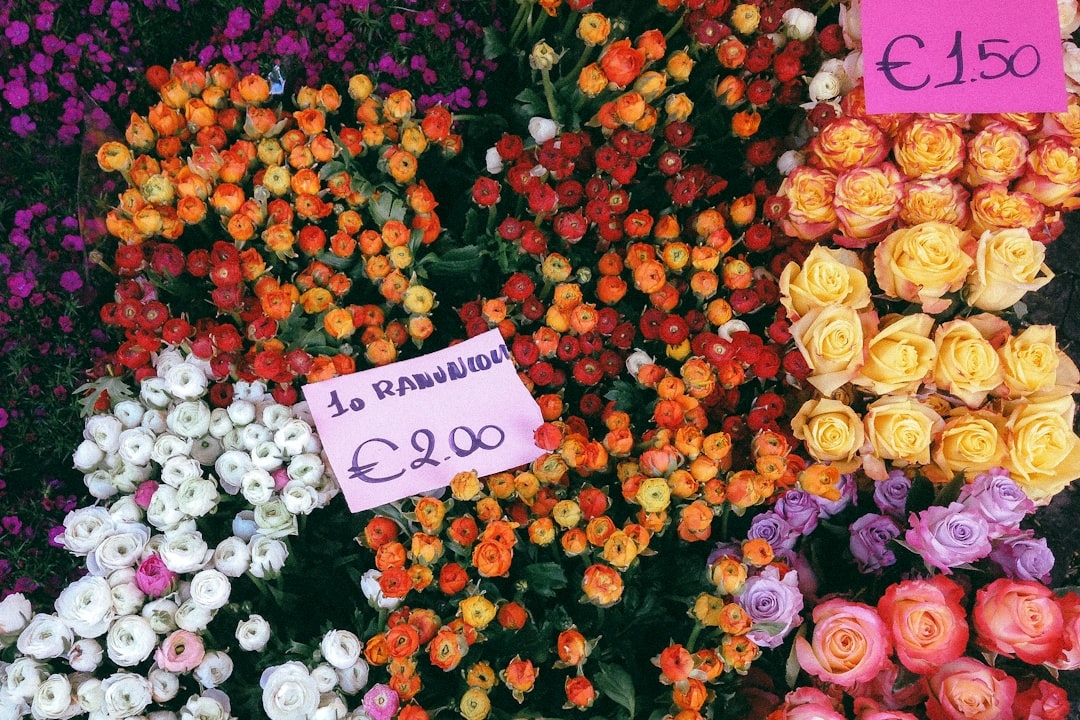
- Ranunculus: $2.20-$3.30 per stem
Prices vary daily based on supply, demand, seasonality, and event-driven surges (Valentine’s Day, Mother’s Day, etc.). Major auction platforms include the Miami Flower Exchange, Mayesh DirectBox, and the New York Flower Group’s live auctions.
How US Flower Auctions Work
Bidding, Buying, and the Digital Shift
Forget the image of bustling Dutch auction halls with raised paddles. In the US, most “auctions” happen behind computer screens, not catwalks. The Miami Flower Exchange and the Los Angeles Flower Market are two of the country’s largest, but their regulars–florists, event planners, and supermarket buyers–often bid online.
- Live Auctions: Still exist for rare or high-demand stock. Example: the New York Flower Group’s Tuesday-morning premium rose auction.
- Dutch Clock Auctions: Used in some direct-to-florist systems (a price starts high and ticks down until a bidder locks it in).
- Private Bids: Some wholesalers accept confidential offers on unique or limited imports.
Online platforms like Mayesh DirectBox let buyers see real-time pricing, stock levels, and even farm origin. Over 70% of US wholesale flower trading in 2026 takes place on digital platforms, according to the American Florist Association.
Key Players in the US Auction Scene
- Miami Flower Exchange: Southeast’s flower hub, shipping to 48 states.
- Mayesh DirectBox: Focused on premium, specialty blooms–favorites of high-end designers.
- New York Flower Group: Blends in-person and digital bidding.
- California Flower Market: Historically important, now increasingly digital.
Factors That Drive US Flower Auction Prices
Seasonality and Holidays: The Demand Surges
Flower prices at auction can double or triple in the two weeks leading up to Valentine’s Day or Mother’s Day. In 2026, Valentine’s Day saw red rose prices hit $3.10 per stem wholesale–up from $2.20 mid-January.
- Peak Holidays: Valentine’s, Mother’s Day, Thanksgiving, Christmas, Easter.
- Wedding Season: May through September.
- Big Local Events: Super Bowls, high-profile galas, celebrity weddings.
Pull Quote
“We expect auction prices to spike 35% above baseline in the week before Mother’s Day. Planning ahead is pure survival.”
– Evan Berson, Lead Buyer, Boston’s Fenway Florals
Climate, Supply Chain, and Imports
Roughly 80% of wholesale flowers in the US are imported–especially from Colombia, Ecuador, and Holland. Weather disruptions, airport delays, or even strikes can cause overnight price jumps.
In March 2026, a late freeze in Colombia cut rose supply by 25%, sending US auction prices for red roses up by 40% in just three days.
Flower Type and Quality Grades
Auction prices reflect not just species but stem length, bloom size, and “grade” (fancy, select, or standard). For example:
| Flower | Standard Grade Price | Fancy Grade Price (2026 Avg) |
|---|---|---|
| Roses | $1.10 per stem | $2.30 per stem |
| Tulips | $0.75 per stem | $1.35 per stem |
| Ranunculus | $2.20 per stem | $3.30 per stem |
| Peonies | $5.00 per stem | $9.00 per stem |
How Auction Prices Shape Retail Floristry
From Bid to Bouquet: Price Transmission
By the time flowers you see at Kroger or Trader Joe’s have made their way through the auction, wholesale, and distribution chains, markups can total 150-300%. Here’s how the journey looks for a standard dozen roses:
- Auction Price: $2.00 per stem
- Wholesaler Markup: +35%
- Transport/Handling: +$15 per box (approx. 50-100 stems)
- Retail Markup: +70-120%
- Final Retail Price: $45-$85 per dozen (as of April 2026, regional variance)
Florists watching auction price swings know to plan big orders ahead of holidays or risk losing margin. Supermarkets, with more buying power, can sometimes “lock in” rates in advance.
Impact on Wedding and Event Florists
“In 2026, every big wedding is a lottery ticket,” says Monica Suarez, owner of LA’s Wild Poppy Events. “You can quote a bride $4,200 for peonies in January, but by June, you might pay double at auction.”
Smart event florists use auction price forecasts–available from platforms like New Bloom Market and Mayesh–to advise clients and build flexibility into contracts.
Current Trends in US Flower Auction Pricing
Sustainability and US-Grown Flowers
Rising interest in “slow flowers”–locally grown, sustainable blooms–has nudged US-grown dahlias, zinnias, and garden roses into higher price brackets. In 2026, auction prices for Oregon-grown dahlias are up 28% compared to 2024, hitting $2.60 per stem on average.
Wildcards: Supply Shocks and Global Events
When the Panama Canal drought in late 2025 delayed South American shipments, US auction prices for alstroemeria and sunflowers jumped 20-40% overnight. Flexibility isn’t just smart–it’s essential.
The Digital Transformation
More buyers are using apps and AI-driven platforms that predict price spikes. Mayesh’s PriceGuard, launched in 2025, helped 2,000+ florists automate bulk orders when market prices dropped, reducing average cost per order by 17%.
Quick List: Top Tools to Track Auction Prices
- Mayesh DirectBox
- Miami Flower Exchange mobile app
- New Bloom Market’s live price ticker
- USDA AMS Floral Market Reports
Comparison Table: Typical US Auction vs. Direct Import vs. Domestic Grower Pricing (2026)
| Channel | Roses (per stem) | Tulips (per stem) | Peonies (per stem) | Ranunculus (per stem) |
|---|---|---|---|---|
| Auction (major US) | $1.10-$2.50 | $0.70-$1.40 | $4.50-$6.00 | $2.20-$3.30 |
| Direct Import | $0.95-$2.10 | $0.60-$1.25 | $4.20-$5.60 | $1.90-$2.80 |
| Domestic Grower | $2.00-$3.50 | $1.30-$2.50 | $5.50-$7.20 | $3.00-$4.60 |
Note: Prices fluctuate by region, grade, and week. Domestic grower prices often reflect higher labor/practices standards.
Who Buys at US Flower Auctions?
- Independent Florists: Shop for unique, event-driven flowers and better wholesale rates.
- Event & Wedding Designers: Bid on luxury and rare varieties.
- Supermarket Chains: Secure huge volumes, often months ahead.
- Floral Subscription Services: Look for deals on overstocked or seasonal varieties.
FAQ: Flower Auction Prices in the US
How do US flower auction prices compare to Europe’s?
US flower auction prices are typically 15-40% higher than Dutch auction averages, largely due to longer supply chains, higher logistics costs, and heavier reliance on imports.
What is the cheapest flower to buy at US auctions?
Carnations and alstroemeria are generally the lowest-priced auction flowers, averaging $0.38-$0.65 per stem in 2026, thanks to abundant South American supply.
When are auction prices for flowers the highest?
Auction prices peak just before major holidays: Valentine’s Day, Mother’s Day, and, to a lesser extent, Christmas and Thanksgiving.
Can individuals buy at US flower auctions?
Most US auctions are wholesale-only, requiring a business license or resale certificate. Some online platforms, like New Bloom Market, offer limited “public access” flash sales.
What’s the best strategy for florists to manage auction price swings?
Buying early, securing volume contracts, and offering flexible options to clients are key. Many florists use price alert apps to catch dips and avoid holiday surges.
Looking Ahead: How to Outsmart Auction Price Surges
US flower auction prices in 2026 are fast, unpredictable, and driven by global currents–from climate to tech. For florists and savvy buyers, success means staying informed, using digital tracking tools, and embracing local or flexible design palettes. Want to avoid sticker shock ahead of your next big event? Set up price alerts, try a blend of imported and US-grown stems, and build relationships with trusted wholesalers. The wild ride of the flower market isn’t slowing down–but with a little insight, you can still bring home the (reasonably priced) blooms.