Contents:
- How Many Varieties of Gardenias Actually Exist? (Quick Answer)
- What Qualifies as a “Gardenia Variety”?
- Species vs. Cultivar vs. Hybrid
- Most Popular Gardenia Varieties in the US
- Top Gardenias for US Gardens
- Wild Gardenia Species Beyond the Classics
- Rare and Exotic Species
- Why So Many Varieties? (And Why So Few in the US)
- Breeding for Beauty and Climate
- Regulatory and Market Forces
- How Florists and Nurseries Choose Varieties
- Gardenia Varieties: Collector’s Edition
- How to Identify Different Gardenia Varieties
- Key Identification Features
- FAQ: Gardenia Varieties Explained
- How many gardenia species are there in the world?
- How many types of gardenia can I buy in the US?
- What is the most fragrant gardenia variety?
- Why aren’t more gardenia species available in the US?
- Which gardenia is best for pots or small gardens?
- Ready to Expand Your Gardenia Repertoire?
How Many Varieties of Gardenias Actually Exist?
Picture a sultry June evening, the air heavy with the sweet, creamy scent of gardenias. Their waxy, white blooms glow in the dusk, a Southern staple and florist’s favorite. But ask any gardenia enthusiast or horticulturist how many types there actually are, and you’ll get a raised eyebrow–and probably a different number every time. The world of gardenia varieties is more nuanced than their perfect petals might suggest.
How Many Varieties of Gardenias Actually Exist? (Quick Answer)
In 2026, botanists recognize over 200 distinct species of gardenia worldwide, with dozens of named hybrids and cultivars. In the US, home gardeners and florists most commonly see about 15-20 popular varieties available for purchase, but plant collectors might encounter 40-50 different types through specialty nurseries and botanical gardens.
| Gardenia Variety Type | Approximate Number Available in the US | Global Species Count |
|---|---|---|
| Species (wild types) | 5-8 | 140-250+ |
| Named Hybrids/Cultivars | 15-20 commonly sold | 80+ registered |
“Gardenias are a genus with at least 200 species worldwide, but for American gardeners, only a handful are readily available,” says Dr. Lila Jensen, director of the Atlanta Botanical Garden’s Camellia & Gardenia Collection.
What Qualifies as a “Gardenia Variety”?
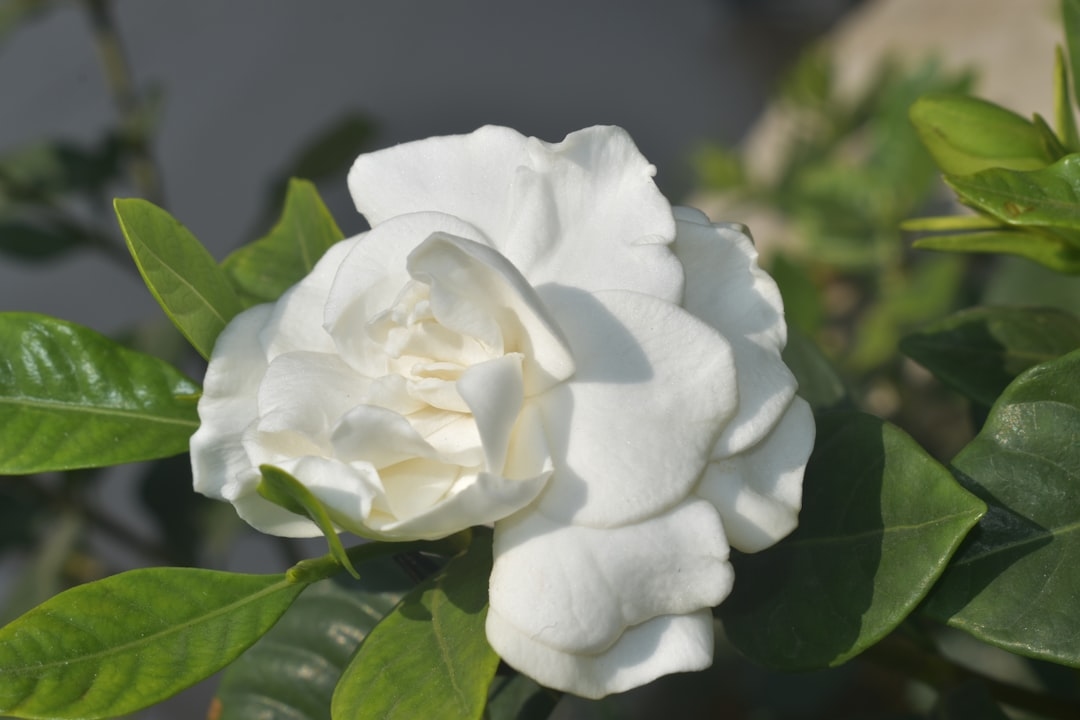
The term ‘gardenia’ covers two categories: wild species (like Gardenia jasminoides, the star of southern American gardens), and named cultivars or hybrids bred for traits like scent, bloom size, or cold-hardiness.
Species vs. Cultivar vs. Hybrid
- Species: Naturally occurring types; for example, Gardenia taitensis (Tahitian gardenia).
- Cultivar: A cultivated variety, bred and named for unique features (like ‘August Beauty’).
- Hybrid: Crosses between two species or varieties to create something new, e.g., ‘Kleim’s Hardy’.
“In floristry, ‘variety’ often means any named cultivar or hybrid, while botanists use ‘species’ more strictly,” clarifies Sara Lugo, AIFD-certified floral designer in Dallas.
Most Popular Gardenia Varieties in the US
Walk into any Home Depot, Lowe’s, or local nursery and you’ll see familiar names. Some of the best-loved gardenias have been bred specifically for American climates.
Top Gardenias for US Gardens
- Gardenia jasminoides ‘August Beauty’
- Blooms: Large, double, fragrant, spring to fall.
- Zone: 7-10 (hardy to 10°F, $35-$50 per 3-gallon shrub)
- Gardenia jasminoides ‘Kleim’s Hardy’
- Blooms: Single, star-shaped, outstanding cold tolerance.
- Zone: 7-11, compact size, $25-$40 per plant.
- Gardenia jasminoides ‘Radicans’
- Dwarf, groundcover, low growing.
- Great for small gardens or containers.
- Gardenia jasminoides ‘Mystery’
- Huge double blooms, classic corsage favorite.
- 1940s heirloom, $40-$60 for mature plants.
- Gardenia thunbergia
- Unusual, tree-like, big white blooms, less common but available from specialty US nurseries.
- Gardenia ‘Frostproof’
- Can handle late frosts, upright habit, increasingly popular in the Midwest.
Wild Gardenia Species Beyond the Classics
Although the United States market focuses on a few main types, the genus Gardenia is globally diverse. According to the Royal Botanic Gardens Kew (2024), botanists list between 140 and 250 wild gardenia species across Africa, Asia, and the Pacific.
Rare and Exotic Species
- Gardenia taitensis (Tahitian gardenia): National flower of Tahiti, featured in Monoi oil, occasionally available via specialty importers.
- Gardenia volkensii: Native to Africa, less ornamental, fragrant small flowers. Grown in specialty collections and botanical gardens.
- Gardenia brighamii: Endemic to Hawaii, endangered; not cultivated for the landscape trade due to rarity.
“There are at least 14 species of native and introduced gardenias in Hawaii alone, but only two are found in American nurseries,” notes Dr. Mika Tanaka, conservation botanist at the University of Hawaii.
Why So Many Varieties? (And Why So Few in the US)
Breeding for Beauty and Climate
American breeders have developed or imported dozens of gardenia varieties for specific traits:
- Cold hardiness: Key for Northern or inland US states.
- Repeat blooming: Multiple flushes from May to October.
- Compact growth: Patio and urban gardening.
- Disease resistance: Especially against sooty mold and root rot.
The result is a vibrant market–but logistical and climate factors mean most US nurseries offer only a dozen or so reliably hardy cultivars.
Regulatory and Market Forces
Import restrictions, demand, and the costs of introducing new plant varieties mean many unique gardenias never reach mainstream US retailers. In contrast, gardenias in China or Southeast Asia number in the hundreds at local markets.
How Florists and Nurseries Choose Varieties
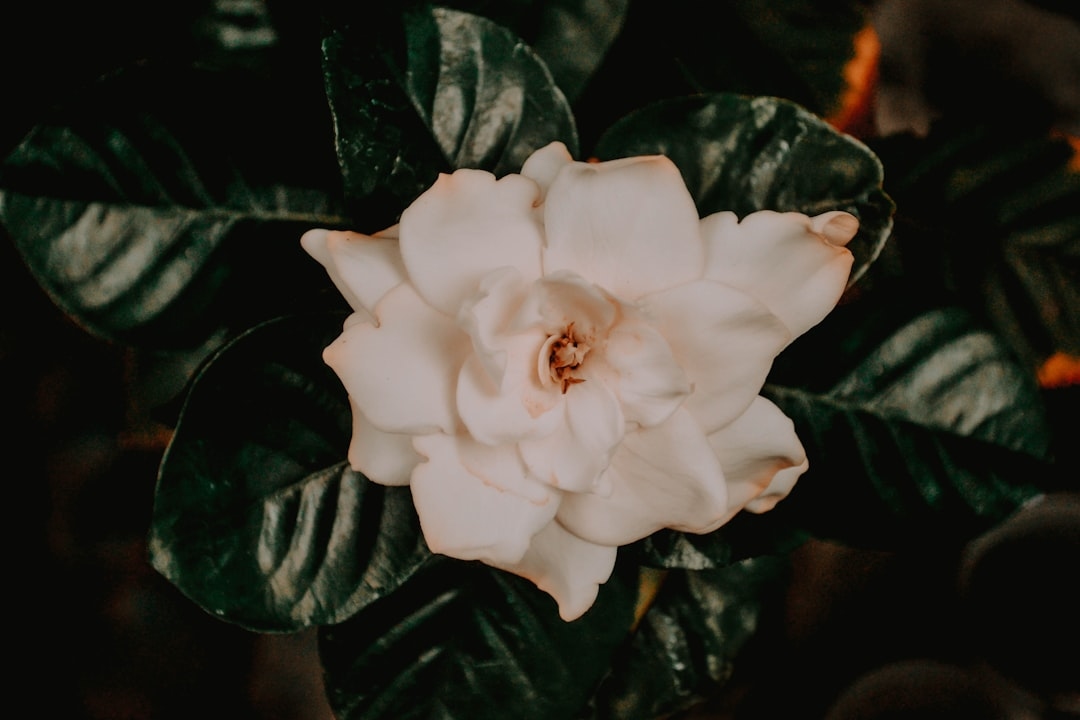
Flower shops from New York to San Diego source cut gardenias mainly from commercial greenhouses, which lean heavily on tried-and-true cultivars. ‘Mystery’, ‘August Beauty’, and the double-flowered ‘Veitchii’ top the wholesale lists from providers like Mayesh and FiftyFlowers as of 2026.
Criteria for Selection Include:
- Vase life (cut gardenia blooms last 1-2 days, so deliveries are timed carefully)
- Consistency in fragrance and petal form
- Stem strength and transportability
Gardenia Varieties: Collector’s Edition
For hobbyists and botanical gardens, rare gardenias are big business. Specialty US nurseries like Logee’s or Almost Eden Plants offer seeds or young plants of more obscure species–sometimes at $75 or more per specimen.
“Gardenia collectors are on the hunt for the next unusual scent or petal form,” says Mark Reynolds, owner of Louisiana’s Southern Rare Plants. “Once, I imported Gardenia nitida from Thailand for a U.S. botanical garden–only three out of twenty survived the first winter.”
How to Identify Different Gardenia Varieties
Key Identification Features
- Leaf shape and size: Some varieties have glossy, elongated leaves; others are rounder.
- Bloom form: Single vs. double flowers, petal count, and size.
- Fragrance: All gardenias are aromatic, but scent notes vary slightly.
- Growth habit: Upright, spreading, or ground-cover types.
| Variety Name | Bloom Size | Petal Type | Scent Strength | Habit | USDA Zones |
|---|---|---|---|---|---|
| ‘Mystery’ | 3-5” | Double | Intense | Medium shrub | 8-11 |
| ‘Kleim’s Hardy’ | 2-3” | Single | Medium | Compact shrub | 7-11 |
| ‘Radicans’ | 1-2” | Double | Strong | Prostrate | 7-10 |
FAQ: Gardenia Varieties Explained
How many gardenia species are there in the world?
Botanists recognize roughly 140 to 250 distinct species of gardenias worldwide as of 2026, depending on taxonomic sources.
How many types of gardenia can I buy in the US?
Most US nurseries sell 10 to 20 major gardenia varieties, including cultivars bred for garden and florist use. Specialty shops may stock up to 40-50 types if you’re a serious collector.
What is the most fragrant gardenia variety?
The classic ‘Mystery’ gardenia and Gardenia jasminoides species are praised for their unmatched fragrance, followed closely by ‘August Beauty’ and ‘Veitchii’ types.
Why aren’t more gardenia species available in the US?
Many species are adapted to tropical climates, making them hard to grow outdoors in most of the US. Quarantine laws and lack of market demand are also factors.
Which gardenia is best for pots or small gardens?
Dwarf types like ‘Radicans’ and ‘Kleim’s Hardy’ are favorites for compact spaces and container gardening.
Ready to Expand Your Gardenia Repertoire?
Thinking beyond the basics can transform your garden or flower arrangements. Try mixing a classic ‘Mystery’ with a dwarf ‘Radicans’ or seek out a rare species from a specialty nursery. If you’re a true enthusiast, consider joining the American Camellia Society or your local native plant group–many now offer rare gardenia workshops and even seed swaps. And watch this space: With breeding advances and climate shifts, the next must-have gardenia variety could hit the US market sooner than you think.