Contents:
- Why These Flowers Specifically
- Garden Roses
- Peonies
- Ranunculus
- 3.5 Comparison: Garden Roses vs. Standard Roses
- Lisianthus
- Hydrangeas
- Dahlias
- Comparing the Top Wedding Flowers
- How to Choose the Right Flowers for Your Wedding
- What the Pros Know
- Ordering Wedding Flowers in New Jersey
- Frequently Asked Questions
- How far in advance should I order wedding flowers in New Jersey?
- What’s the most affordable flower for a large wedding?
- Can I get flowers delivered the morning of my wedding?
- Do garden roses cost more than regular roses?
- What flowers hold up best in outdoor summer heat?
Picture a Saturday morning in late September. The venue coordinator is calling about linens, the caterer wants a final headcount by noon, and somewhere between the seating chart and the shoe emergency, the bride realizes she never actually decided what flowers will be in her hands when she walks down the aisle. This scene plays out in kitchens and bridal suites across New Jersey every weekend of the season. Wedding flower delivery in New Jersey is one of those details that seems simple until you’re the one choosing between forty rose varieties and a florist’s cutoff deadline is tomorrow.
The truth is, flowers carry more weight in a wedding than most couples expect going in. They anchor the color palette, they show up in every photograph, and they’re often the first thing guests notice when they walk into the ceremony space. Getting them right isn’t about picking whatever looks pretty on Pinterest — it’s about understanding which blooms hold up under a hot July sun, which ones photograph well in low light, and which fragrances won’t compete with an outdoor dinner service.
Why These Flowers Specifically
Not every flower belongs in a wedding bouquet, and not every rose variety is built for a six-hour reception. Some blooms wilt within an hour of being cut; others last through a three-day destination wedding without a single drooping petal. The varieties on this list were chosen because they consistently perform well for New Jersey’s climate swings — humid summers, crisp autumns, unpredictable spring showers — and because they photograph beautifully across skin tones, dress colors, and lighting conditions.
Flowers Central Jersey has spent years sourcing stems for weddings across Middlesex, Somerset, and Union counties, and the team has a clear sense of what actually survives a full wedding day versus what looks good only in the sample photo. That distinction matters more than most couples realize until the flowers are already wilting in the receiving line.
1. Garden Roses
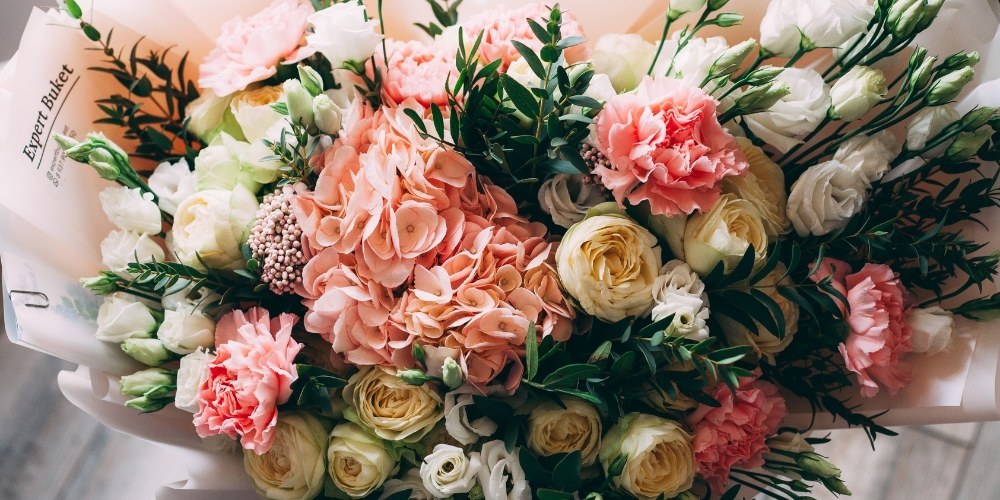
Garden roses are the workhorse of modern bridal bouquets, and for good reason. Unlike standard florist roses with their tight, uniform heads, garden roses open into a full, ruffled shape with dozens of petals layered like a peony. Varieties such as Juliet, Keira, and Quicksand are especially popular for New Jersey weddings because they hold their structure through long ceremonies and outdoor cocktail hours without browning at the edges.
A single garden rose can cost two to three times what a standard rose does, largely because of how they’re grown — slower, with more careful pruning, often imported from Ecuador or Kenya specifically for the wedding trade. That price difference shows up in the final look: fuller bouquets need fewer stems, and the finished arrangement reads as lush rather than sparse.
For couples who want a romantic, slightly undone look rather than a stiff, formal one, garden roses are usually the first recommendation. They pair naturally with ranunculus and lisianthus for texture, and they hold their color well in both bright June light and the dimmer, warmer tones of a fall reception. Anyone ordering rose delivery for a wedding should ask specifically about garden varieties if this softer look is the goal — standard roses and garden roses are priced and sourced differently, and mixing them up in a quote is a common mistake couples make when comparing florists.
2. Peonies
Peonies are the flower most brides picture when they imagine a “dreamy” bouquet, and the demand reflects that. The catch is timing: peonies have a genuinely short natural season, typically late April through June in the Northern Hemisphere, with some imported stock available from Chile or New Zealand outside that window at a significant markup.
A couple planning a June wedding in New Jersey is in luck — that’s peak local and regional peony season, meaning fresher stems and better pricing. A November wedding is a different story; peonies at that point are flown in from the Southern Hemisphere and can cost double what they would in spring. This seasonal reality is something a knowledgeable florist should explain upfront rather than letting a couple discover it after they’ve already fallen in love with the idea.
Peonies also bruise easily during transport and handling, which is why delivery timing matters more with this flower than almost any other on this list. A peony delivered the morning of the wedding looks dramatically better than one that’s been sitting in a cooler for three days. Couples researching wedding flowers should ask any florist directly about peony sourcing and freshness guarantees before committing to them as a centerpiece flower.
3. Ranunculus
Ranunculus often gets mistaken for a small rose at first glance, but the resemblance stops there. Each bloom is made up of dozens of tissue-thin, papery petals arranged in a tight spiral, giving it a delicate, almost origami-like appearance that photographs beautifully in close-up shots — think detail photos of the bouquet resting on a windowsill or church pew.
Ranunculus comes in an unusually wide color range for a single flower type, from near-black burgundy to soft coral, buttery yellow, and pure white with a green center. That range makes it a favorite for couples building a specific, cohesive palette rather than a generic “wedding white” look. It’s also one of the more budget-friendly premium blooms, generally running less per stem than garden roses or peonies while still delivering a high-end visual impact.
The one real limitation is durability outdoors in heat. Ranunculus prefers cooler conditions and can wilt faster than roses during a July afternoon ceremony. For summer weddings, it works best in bouquets that spend limited time in direct sun, or as an accent flower mixed with hardier stems rather than the sole star of the arrangement.
3.5 Comparison: Garden Roses vs. Standard Roses
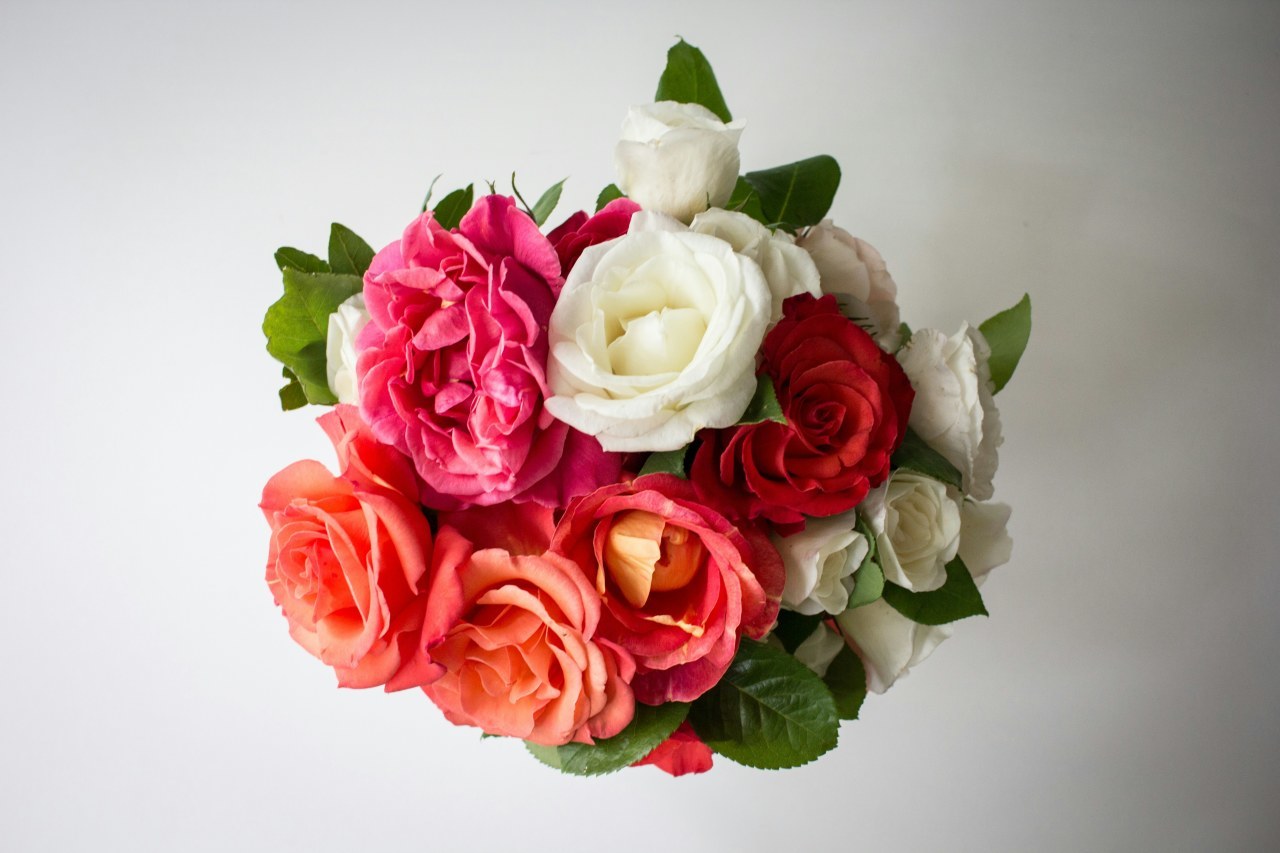
This is one of the most common points of confusion for couples planning wedding flower orders, and it’s worth addressing directly before moving further down the list. Garden roses and standard (also called “hybrid tea”) roses are both roses, but they are grown differently, priced differently, and serve different visual purposes in a bouquet.
Standard roses have a classic, high-centered bud shape — the kind seen in most everyday rose deliveries — and they’re bred for uniformity, stem length, and vase life. Garden roses are bred for petal count and fullness, sacrificing some shelf life for that romantic, layered look. A bouquet built entirely from standard roses tends to look tidy and traditional; one built from garden roses looks softer and more organic, closer to something clipped from an English cottage garden.
Price is the other major difference. Standard roses might run $2 to $4 per stem wholesale, while premium garden rose varieties can run $6 to $12 per stem depending on the variety and season. Couples comparing quotes between florists should confirm which type is actually being quoted — a bouquet described simply as “12 roses” could mean very different things depending on which category those roses fall into.
4. Lisianthus
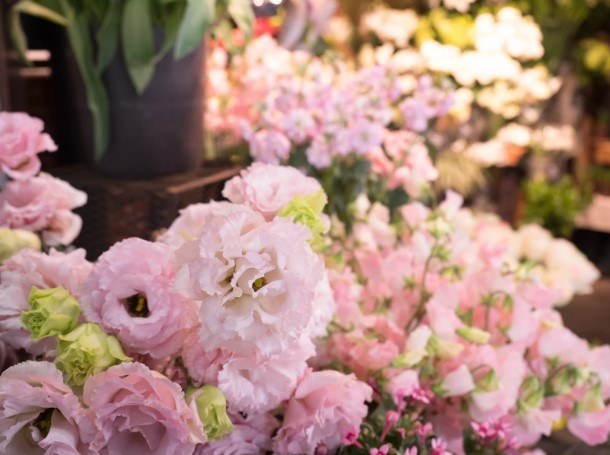
Lisianthus is often called the “poor man’s rose,” which undersells it considerably. The flower has a delicate, ruffled petal structure similar to a rose or peony, but it’s grown as an annual and tends to be significantly less expensive per stem — often a third the cost of a comparable garden rose.
What makes lisianthus especially useful for weddings is its vase life. Cut properly, it can last seven to ten days without wilting, which gives florists more flexibility with delivery timing and reduces the risk of a flower looking tired by the time the ceremony starts. It comes in white, soft pink, lavender, and a deep wine color that pairs beautifully with burgundy and navy wedding palettes, both popular for New Jersey’s fall wedding season.
Lisianthus works especially well as a “filler with presence” — meaning it’s not just background texture like baby’s breath, but a flower substantial enough to carry visual weight on its own. Many bouquets blend lisianthus with one or two premium flowers like garden roses to stretch the budget without sacrificing a full, generous look. It’s a smart choice for couples managing a tighter budget who still want the bouquet to photograph as lush and layered.
5. Hydrangeas
Hydrangeas solve a specific problem: volume. A single hydrangea bloom is actually a cluster of dozens of small florets, meaning one stem can fill as much visual space as six or seven roses. For large ceremony installations — arch arrangements, aisle markers, altar pieces — this makes hydrangeas remarkably cost-efficient compared to building the same volume out of smaller individual blooms.
The tradeoff is water demand. Hydrangeas drink heavily and wilt fast once cut, particularly in warm weather. They need to be conditioned properly before an event and, ideally, delivered as close to ceremony time as possible. A hydrangea arrangement assembled two days early and left unattended is a common way couples end up with drooping arch flowers by the time guests arrive.
Color range is another strength — blue, purple, pink, white, and green varieties exist, and some hydrangeas even shift color slightly based on soil pH before they’re cut, giving each batch a subtly unique tone. For New Jersey couples doing large-scale ceremony décor on a set budget, hydrangeas are usually one of the first recommendations for filling arches and pew ends without blowing through the flower budget on premium stems.
6. Dahlias
Dahlias have surged in popularity for late-summer and fall New Jersey weddings, and it’s easy to see why once you’ve seen one up close. The bloom can range from a tight, dense pom-pom just a couple inches across to a dinner-plate-sized showstopper over ten inches wide, with petal patterns that range from simple and clean to intricate spirals.
Local, US-grown dahlias are typically available from July through the first frost, making them a strong seasonal match for outdoor New Jersey weddings held at vineyards, farms, and garden venues during that window. Unlike some imported blooms, locally grown dahlias travel a shorter distance from field to bouquet, which generally means fresher stems and a smaller carbon footprint for eco-conscious couples.
The main limitation is fragility — dahlia petals bruise if handled roughly, and the flower doesn’t have a particularly long vase life once cut, often just four to six days. That makes delivery timing critical. A florist experienced with dahlias will typically recommend cutting and arranging them as close to the event date as logistics allow, rather than pre-assembling bouquets days in advance the way a shop might with hardier flowers like carnations or standard roses.
Comparing the Top Wedding Flowers
| Flower | Approx. Cost per Stem | Vase Life | Best Season in NJ | Best Use |
|---|---|---|---|---|
| Garden Roses | $6–$12 | 5–7 days | Year-round | Bridal bouquet |
| Peonies | $5–$10 | 3–5 days | April–June | Centerpieces, bouquets |
| Ranunculus | $2–$4 | 7–10 days | Spring, fall | Accent, detail shots |
| Lisianthus | $2–$3 | 7–10 days | Year-round | Filler with substance |
| Hydrangeas | $4–$7 | 4–6 days | Summer | Ceremony installations |
| Dahlias | $3–$6 | 4–6 days | July–October | Statement centerpieces |
How to Choose the Right Flowers for Your Wedding
Start with the season and work backward. A couple set on peonies for a November wedding is choosing a flower fighting against its own natural calendar, which means higher cost and less certainty about quality on arrival. Choosing flowers that are in season for the actual wedding month almost always produces better results at a lower price.
Next, think about the venue’s exposure to heat and sun. An outdoor ceremony in July under direct sunlight is a rough environment for peonies, ranunculus, and dahlias, all of which prefer cooler conditions. Garden roses, lisianthus, and hardier hydrangea varieties tolerate heat better and are usually the safer bet for a summer outdoor NJ wedding.
“The biggest mistake I see couples make is choosing flowers purely off a photo they found online without asking whether that variety is even in season for their wedding date,” says Renata Kowalski, a certified floral designer with more than fifteen years working New Jersey weddings. “A good florist should be steering that conversation early, not after the deposit is already paid.”
What the Pros Know
Sidebar tip: Order your ceremony and reception flowers as separate deliveries rather than one combined drop-off. Ceremony arrangements often need to arrive earlier for setup and photos, while reception centerpieces can be delivered closer to guest arrival to maximize freshness. Splitting the delivery window keeps both sets of flowers looking their best exactly when they’re needed, rather than having one wilt while waiting on the other’s timeline.
Finally, decide how much weight to put on fragrance. Garden roses and peonies both carry a noticeable scent, which some couples love near the altar and others prefer to avoid near a seated dinner. Lisianthus and dahlias are nearly scentless, which makes them a safer choice for indoor reception spaces with limited ventilation.
Ordering Wedding Flowers in New Jersey
Booking wedding flowers eight to twelve months ahead is standard advice, and for good reason — peak season Saturdays fill florists’ calendars fast, especially for larger weddings requiring dozens of arrangements. Flowers Central Jersey typically recommends a consultation at least six months out, with a final walkthrough of quantities and colors about a month before the date.
What sets a dedicated new jersey flower supplier apart from a big-box florist chain is the ability to source specific varieties on request. Not every shop can get true garden roses in a specific blush tone, or locally grown dahlias in October — it often comes down to relationships with growers and wholesalers built over years, not just a standard catalog. Couples comparing options should ask directly whether a florist grows relationships with specialty growers or simply orders from a general wholesale list.
For couples browsing wedding flowers nj options, it also helps to bring photos, fabric swatches, or even a Pinterest board to the first consultation. Florists work faster and more accurately when they can see the intended palette rather than working from verbal descriptions alone, and it cuts down on revision rounds later in the planning process.
Frequently Asked Questions
How far in advance should I order wedding flowers in New Jersey?
Six to twelve months is standard, especially for weddings between May and October, which is peak season for most New Jersey venues. Popular flower varieties like peonies also need to be pre-ordered from growers months ahead to guarantee availability on a specific date.
What’s the most affordable flower for a large wedding?
Lisianthus and hydrangeas typically offer the best value for volume. Hydrangeas in particular fill large arrangements efficiently since each stem contains dozens of individual florets, making them ideal for arches and aisle décor on a tighter budget.
Can I get flowers delivered the morning of my wedding?
Yes, and for delicate blooms like peonies and dahlias, this is actually the preferred approach. Most experienced florists schedule ceremony flower delivery for the morning of the event specifically to maximize freshness through photos and the reception.
Do garden roses cost more than regular roses?
Generally yes, often two to three times more per stem, due to slower growing cycles and lower yield per plant. The tradeoff is a fuller, more textured bloom that many couples feel is worth the added cost for a bridal bouquet.
What flowers hold up best in outdoor summer heat?
Garden roses, lisianthus, and certain hydrangea varieties tend to tolerate heat and sun better than peonies, ranunculus, or dahlias, which prefer cooler conditions and wilt faster in direct sunlight.
Choosing wedding flowers ultimately comes down to matching the bloom to the season, the venue, and the couple’s actual priorities — not just what looks good in a single reference photo. A knowledgeable florist should be able to walk through these tradeoffs clearly, explain what’s realistic for a given wedding date, and deliver flowers that still look fresh by the time the last toast is made. That kind of guidance, more than any single flower on this list, is what separates a wedding that photographs beautifully from one where the flowers were an afterthought.