Contents:
- What Are the Best Flowers for a Ballet Performance Lead? (Direct Answer)
- The Tradition of Flowers in Ballet
- Choosing the Right Flowers: Style, Color, and Practicality
- Long-stemmed Classics
- Color Matters
- Pro Tip from a Florist
- Wrap with Care
- Best Flower Arrangements by Ballet Role
- Custom Touches: Personalizing the Bouquet
- Add-Ons That Stand Out
- Local vs. National Florist Delivery
- When to Present the Flowers (And to Whom)
- Flower Care Tips for Dancers
- Pull-Quote: “Flowers Are A Performance’s Encore”
- Common Flower Mistakes to Avoid
- Overly Scented Blooms
- Large, Unwieldy Bouquets
- Overuse of Glitter or Spray
- Last-Minute Orders
- Bouquet Alternatives: When Flowers Aren’t an Option
- FAQ: Flowers for a Ballet Performance Lead
- What is the most popular flower for ballet leads in the US?
- How much should I spend on a ballet performance bouquet in 2026?
- Can I order flowers for backstage delivery?
- Are certain flowers not allowed in theaters?
- When is the best time to present flowers to the dancer?
- Your Next Step: Make It Unforgettable
Flowers for a Ballet Performance Lead
On opening night, every eye is on the prima ballerina as she floats through the spotlight. It’s tradition: when the curtain falls, her arms are filled with flowers–an unspoken language of admiration and applause. But which blooms belong in that moment, and how do you make your bouquet as memorable as her performance?
What Are the Best Flowers for a Ballet Performance Lead? (Direct Answer)
The most cherished flowers for a ballet performance lead are long-stemmed roses, lilies, orchids, and peonies, chosen for their beauty, elegance, and symbolism. Roses (especially classic deep red or blush pink) represent admiration. Lilies and orchids evoke grace and poise; peonies lend luxury and volume. Florists recommend durable varieties like Oriental lilies and dendrobium orchids, as they hold up well both on stage and during post-show celebrations. Choose bouquets that are easy to hold with one hand and wrapped in soft, stage-friendly materials–no noisy cellophane.
The Tradition of Flowers in Ballet
In the United States, presenting flowers after a ballet is a ritual rooted in centuries of performance history. The custom is not just about gifting something pretty; it’s a visible symbol of respect and celebration.
Fun Fact: According to the American Ballet Guild, over 10,000 bouquets are delivered to major US ballet companies like New York City Ballet and San Francisco Ballet each season, with nearly 70% going to principal dancers.
Why flowers? In 19th-century Russia and France, bouquets were seen as a token of public adoration–thrown onto the stage or presented by directors. Today, it’s all about the personal moment: a bouquet hand-delivered at stage door, a proud parent with a single rose, even castmates gifting symbolic blooms (like white lilies for purity in Swan Lake leads).
Choosing the Right Flowers: Style, Color, and Practicality
Long-stemmed Classics
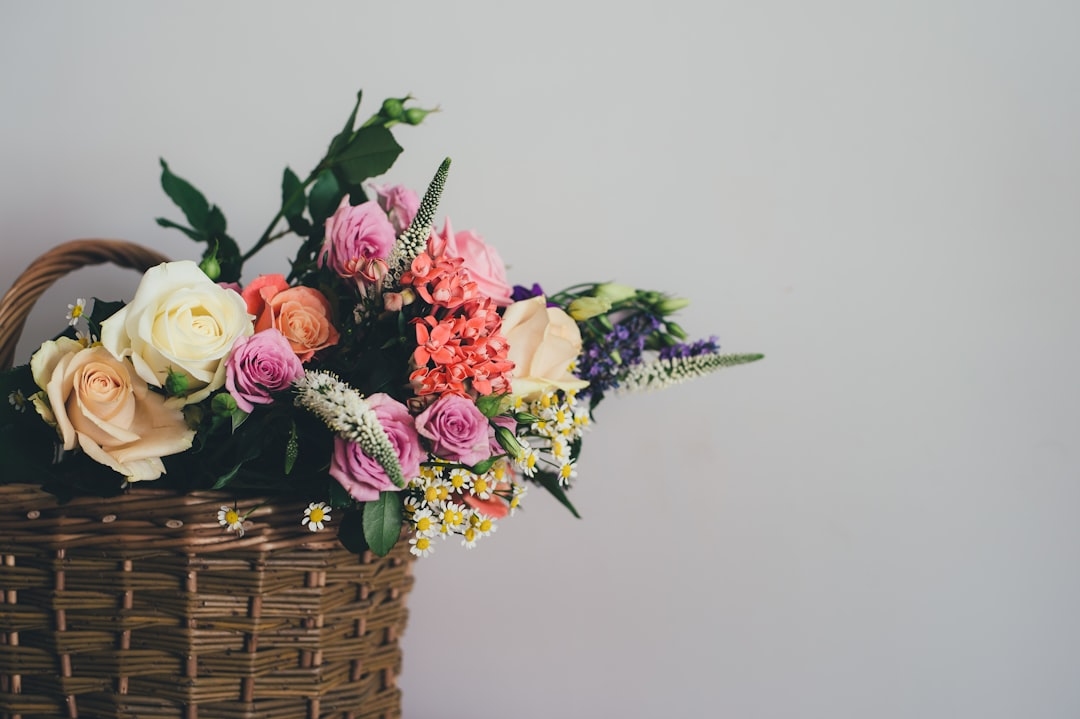
- Roses: The undisputed icon. Red for love and respect, pink for grace and admiration, white for new beginnings.
- Lilies: Oriental lilies in white or blush pink scream elegance and have a strong, sweet scent.
- Orchids: Dendrobium and cymbidium orchids add an exotic touch and last longer out of water.
- Peonies: Spring recitals often feature lush peonies–fluffy, feminine, and photo-friendly.
Color Matters
- Red: Passion, spotlight energy. Great for a dramatic principal role.
- Pink: Delicate and traditional; most common for emerging stars.
- White: Classic grace, often for younger dancers or ethereal roles.
- Lavender or Purple: Unusual but rising in popularity; symbolizes creativity.
Pro Tip from a Florist
“We always recommend sturdy stems and unscented or lightly-scented flowers for performances. Strong scents can overwhelm small backstage spaces or trigger allergies,” says Marisol Ortega, lead designer at Petal & Stem (Los Angeles, CA).
Wrap with Care
- Avoid noisy cellophane or crinkly plastic–opt for matte tissue paper, lightweight fabric, or soft kraft paper in neutral or pastel tones.
- Ribbon ties are classic, but not too tight–dancers may want to separate a single bloom for a keepsake.
Best Flower Arrangements by Ballet Role
The bouquet should fit both the dancer’s personality and her part in the show. Here’s a quick comparison:
| Ballet Role | Flower Types | Arrangement Style | Price Range (2026 USD) |
|---|---|---|---|
| New Principal/Debut | Red or pink roses, lilies | Tall, dramatic, up to 24 stems | $90-$150 |
| Young Dancer/Child Lead | Mixed pastels, mini roses | Small, tightly wrapped posy | $35-$60 |
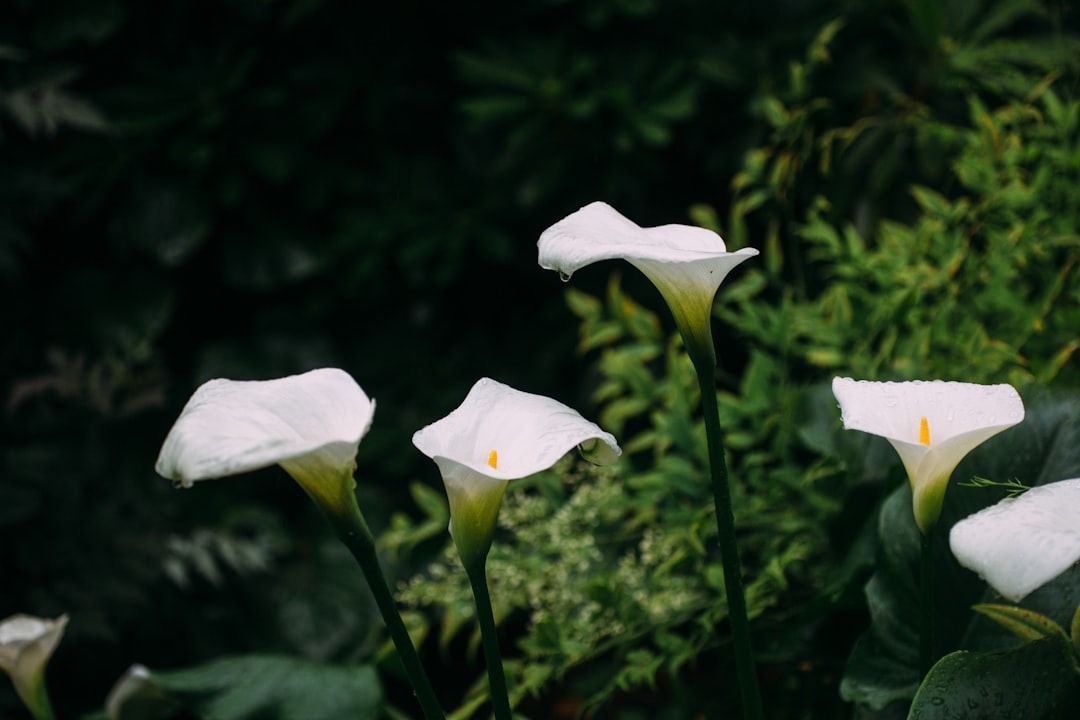
| Male Lead | White callas, purple orchids | Sleek, no-fuss wrap | $50-$100 |
| Classic Role (e.g. Odette) | White lilies, peonies | Cascading, soft neutrals | $80-$120 |
| Modern/Contemporary | Unique wildflowers, protea | Asymmetric, bold | $100-$160 |
Custom Touches: Personalizing the Bouquet
Add-Ons That Stand Out
- A single monogrammed ribbon in the dancer’s favorite color.
- A vintage brooch pinned to the wrap–a subtle nod to tradition.
- A handwritten note quoting a review or special message.
Local vs. National Florist Delivery
Ordering from a local florist near the theater (like UrbanStems, The Bougainvillea, or BloomNation in most US cities) ensures last-minute adjustments and fresher flowers. Most major cities offer same-day delivery in 2026, and contactless backstage drop-off is now standard.
According to the Florists’ Association of America, bouquets for major city performances average $110 in 2026, not including delivery or add-ons.
When to Present the Flowers (And to Whom)
You may spot fans and family members waiting at the stage door with bouquets in tow as soon as the curtain falls. That’s the norm. But what about etiquette?
- End of performance: Always wait until the lead has left the stage for curtain call. Present flowers backstage or at the stage door–never toss them onstage during the show.
- Who should receive them: The lead dancer is traditional. For group shows, small posies to supporting dancers are common. Directors or choreographers may also receive a single elegant bloom.
- One for the teacher: In pre-professional schools, gifting a flower to the lead’s instructor is a thoughtful bonus.
Flower Care Tips for Dancers
Most leads carry their flowers through a flurry of photos and celebrations. Ensure they last:
- Request sturdy stems: Roses, lilies, and orchids handle handling best.
- Keep them hydrated: Ask the florist for water tubes or hydrated foam at the base of stems.
- Transport: If driving, place the bouquet upright in a clean travel vase or cupholder.
- At home: Recut stems at a 45-degree angle, place in lukewarm water with flower food.
Expert tip: “Most stage bouquets can last 5 to 7 days if cared for right away. Remove any leaves below the water line to avoid bacteria,” recommends Dr. Ava Redding, horticulturist and author of “Floral Gifts for Dancers” (2025).
Pull-Quote: “Flowers Are A Performance’s Encore”
“The bouquet is every dancer’s standing ovation–a tradition that brings the color and emotion of the stage out into real life.” – Isabella Kim, Artistic Director, Pacific Dance Theater
Common Flower Mistakes to Avoid
Overly Scented Blooms
Strong-smelling flowers like gardenias or tuberose can be overwhelming backstage.
Large, Unwieldy Bouquets
If the bouquet is too heavy or awkward, it takes away from the elegance of the moment–and the dancer’s comfort. Aim for lightweight arrangements, ideally 12-24 stems.
Overuse of Glitter or Spray
Glitter, dyes, or artificial scents may transfer to costumes and irritate sensitive skin.
Last-Minute Orders
Peak recital weekends see florists booked out. Order at least 3-5 days ahead for best selection and price.
Bouquet Alternatives: When Flowers Aren’t an Option
Allergies or theater rules sometimes mean traditional flowers aren’t allowed. Try these alternatives:
- Paper flower bouquets (Etsy makers or local crafters)
- Decorative fans or silk scarves in the school’s colors
- Flower-shaped macarons (from US patisseries like Ladurée or Baked by Melissa)
- Charity bouquets: Some ballet companies offer donations in the dancer’s name–check with the theater’s gift shop.
FAQ: Flowers for a Ballet Performance Lead
What is the most popular flower for ballet leads in the US?
The long-stemmed red rose remains the most popular flower for ballet performance leads in the United States. It symbolizes love, admiration, and traditional stage recognition.
How much should I spend on a ballet performance bouquet in 2026?
Expect to spend between $60 and $150 for a premium bouquet suitable for a principal dancer, including delivery in most US metro areas.
Can I order flowers for backstage delivery?
Most US florists offer backstage or stage door delivery, often in partnerships with theaters. Call the theater in advance to confirm their delivery policies for the performance date.
Are certain flowers not allowed in theaters?
Strongly scented flowers and those with excessive pollen (like lilies with visible anthers) may be discouraged due to allergies. Always check with the company or venue.
When is the best time to present flowers to the dancer?
The best time to present the bouquet is after the final curtain call, as the dancer leaves the stage or at the designated stage door area.
Your Next Step: Make It Unforgettable
The right bouquet isn’t just an accessory–it’s a memory frozen in time. Choose flowers that echo the story on stage, personalize them with care, and support your dancer with something beautiful and thoughtful. Looking ahead to recital and gala season in 2026? Reach out to a local florist known for performance work–or learn to craft a simple, elegant bouquet yourself. Either way, your flowers will speak the language of applause.