Contents:
- How Do You Crystallize Edible Flowers? (Direct Answer)
- Picking the Right Edible Flowers
- Top Choices for Crystallizing
- Sourcing in the US
- Choosing Equipment and Ingredients
- Must-Have Supplies
- Egg White: Fresh or Pasteurized?
- Sugar Matters
- Step-by-Step: Crystallizing Edible Flowers Like a Pro
- Prep: Cleaning & Drying
- Egg White Coating
- Sugar Application
- Drying Process
- Storage
- Creative Ways to Use Crystallized Edible Flowers
- Showstopper Uses
- What Do Crystallized Edible Flowers Taste Like?
- Troubleshooting: Common Mistakes and Fixes
- Why Did My Flowers Turn Brown or Wilt?
- Why Are My Crystallized Flowers Sticky?
- My Flowers Lost Their Color. What Happened?
- Are Crystallized Edible Flowers Safe to Eat?
- Safety Checklist
- Cost and Buying Guide for American Cooks
- Pro Tips for Next-Level Results
- Frequently Asked Questions
- How long do crystallized edible flowers last?
- Can you eat crystallized flowers made with raw egg white?
- Which flowers are poisonous and should never be crystallized?
- Can I crystallize flowers ahead of a big event?
- What’s the easiest flower for beginners to crystallize?
- Take Your Edible Flowers Even Further
Crystallizing Edible Flowers Tutorial
This morning in a Brooklyn bakery, a pastry topped with sparkling violets caught someone’s eye and became their new phone wallpaper. Edible flowers have gone from niche garnish to must-have centerpiece for cakes, cocktails, and even brunch boards. Crystallizing edible flowers–a Victorian-era technique that adds shimmer, crunch, and delicate sweetness–brings surprising magic to desserts and drinks. And you don’t need a professional pastry kitchen to pull it off.
How Do You Crystallize Edible Flowers? (Direct Answer)
Crystallizing edible flowers means brushing clean, chemical-free petals with egg white (sometimes pasteurized), sprinkling them with superfine sugar, and letting them air-dry until crisp. Typical steps:
- Select pesticide-free, edible blooms.
- Lightly whisk one egg white with a teaspoon of water.
- Using a soft brush, coat each petal or bloom in egg white.
- Sprinkle with superfine (caster) sugar; shake off excess.
- Let flowers dry on parchment at room temp for 8-24 hours.
- Store in an airtight container for up to 2 weeks.
No oven, no blowtorch–just patience and gentle handling.
Picking the Right Edible Flowers
Not every flower in your backyard or at Trader Joe’s is safe (or tasty) to eat. The American Society for Horticultural Science estimates over 60 common garden flowers are edible, but only a handful have the flavor and structure to shine when crystallized.
Top Choices for Crystallizing
- Violets: Sweet, delicate, classic for decorating cupcakes.
- Pansies and Johnny-jump-ups: Sturdy petals, subtle flavor, vibrant color.
- Roses: Use petals only; choose unsprayed heirloom varieties for fragrance.
- Lavender: Floral and herbal; use sparingly.
- Borage: Star-shaped blue flowers; taste like cucumber.
- Nasturtiums: Peppery and bold; opt for small blooms.
According to Dr. Linda Reardon, floral safety expert at Rutgers (Ph.D. Plant Science), “Always source edible flowers from certified organic growers, or grow your own. Never use florists’ flowers or those from roadside stands–most are treated with chemicals not intended for consumption.”
Sourcing in the US
- Melissa’s Produce (ships nationwide): $12-$18 for a fresh edible flower mix, 2026 pricing.
- Local farmers’ markets: Ask for certified edible blooms.
- Specialty online stores: Gourmet Sweet Botanicals, Marx Foods, or even Whole Foods in major metro areas.
Choosing Equipment and Ingredients
Crystallizing edible flowers doesn’t require lab gear, but the right basics keep it easy and safe.
Must-Have Supplies
- Food-safe paintbrush or fine pastry brush
- Fresh pasteurized egg white or Wilton Meringue Powder (for egg-free option)
- Superfine sugar (Domino Baker’s Sugar or DIY: blitz granulated sugar in a blender for 30 seconds)
- Fine tweezers (OXO Good Grips, $9.99) for handling delicate petals
- Parchment paper and wire rack
Egg White: Fresh or Pasteurized?
Use pasteurized egg whites (sold in cartons), especially if serving kids, pregnant guests, or the immunocompromised. Dr. Kelsey Moran, food safety scientist (USDA, 2026), strongly recommends, “Powdered meringue or heat-treated egg whites virtually eliminate the risk of salmonella, while working just as well as fresh eggs in this application.”
Sugar Matters
Superfine sugar ensures a shimmery, glass-like finish. Regular sugar produces a grainier texture. Organic cane sugar works but may tint the color slightly off-white.
Step-by-Step: Crystallizing Edible Flowers Like a Pro
A successful crystallized flower is crisp yet not shattered, sweet but not cloying, impossibly pretty but absolutely edible. Here’s a detailed method favored by cake artists and culinary florists.
Prep: Cleaning & Drying
- Inspect: Only use perfectly fresh, intact petals or small whole flowers.
- Clean: Rinse flowers in cold water, gently agitate, and lay on paper towels. Pat dry.
- Dry: Air dry fully (30-60 minutes) before proceeding. Moisture ruins the finish.
Egg White Coating
- Lightly whip one egg white with 1 tsp water until just frothy.
- Hold the flower by the stem or with tweezers.
- Using a soft brush, gently coat all surfaces–don’t saturate, aim for a thin film.
- For a vegan version, dissolve 2 tsp Wilton Meringue Powder in 2 tbsp water.
Sugar Application
- Sprinkle superfine sugar evenly over the coated petals.
- Tap off excess sugar; petals should be evenly dusted, not clumped.
Drying Process
- Place flowers on lined baking sheet or wire rack.
- Dry at room temperature, uncovered, until crisp–usually 8 to 24 hours.
- Never use an oven (even “keep warm” setting): heat can brown or wilt flowers.
Storage
- Store between layers of parchment in an airtight container.
- Place a silica gel packet (food-safe) inside to wick away moisture.
- Use within 14 days for peak crispness and color.
Creative Ways to Use Crystallized Edible Flowers
Forget simple cake toppers–crystallized flowers are ultra-versatile. Modern pastry chefs and mixologists use them on everything from wedding cakes to cocktails.
Showstopper Uses
- Wedding cakes: Classic white frosting, scattered violet or rose petals.
- Petite fours and doughnuts: Press one crystallized pansy atop for instant wow.
- Cocktails: Float a flower in a coupe glass for a botanical garnish.
- Charcuterie boards: Nestle among cheeses and honeycomb for a whimsical touch.
- Spring salads: A handful of crystallized violets add sweetness and crunch.
What Do Crystallized Edible Flowers Taste Like?
| Flower | Flavor Profile | Best Use |
|---|---|---|
| Violet | Sweet, floral | Cupcake, shortbread |
| Lavender | Herbal, piney | Cheesecake, lemon tart |
| Pansy | Mild, grassy | Cocktails, meringues |
| Rose | Sweet, perfumed | Turkish delight, layer cake |
| Nasturtium | Peppery, spicy | Savory pastry, goat cheese |
“Crystallized flowers aren’t just pretty–they add subtle, unique flavors that can completely transform a dessert,” says Chef Aria Bennett, head pastry artist at Sprig & Bloom NYC.
Troubleshooting: Common Mistakes and Fixes
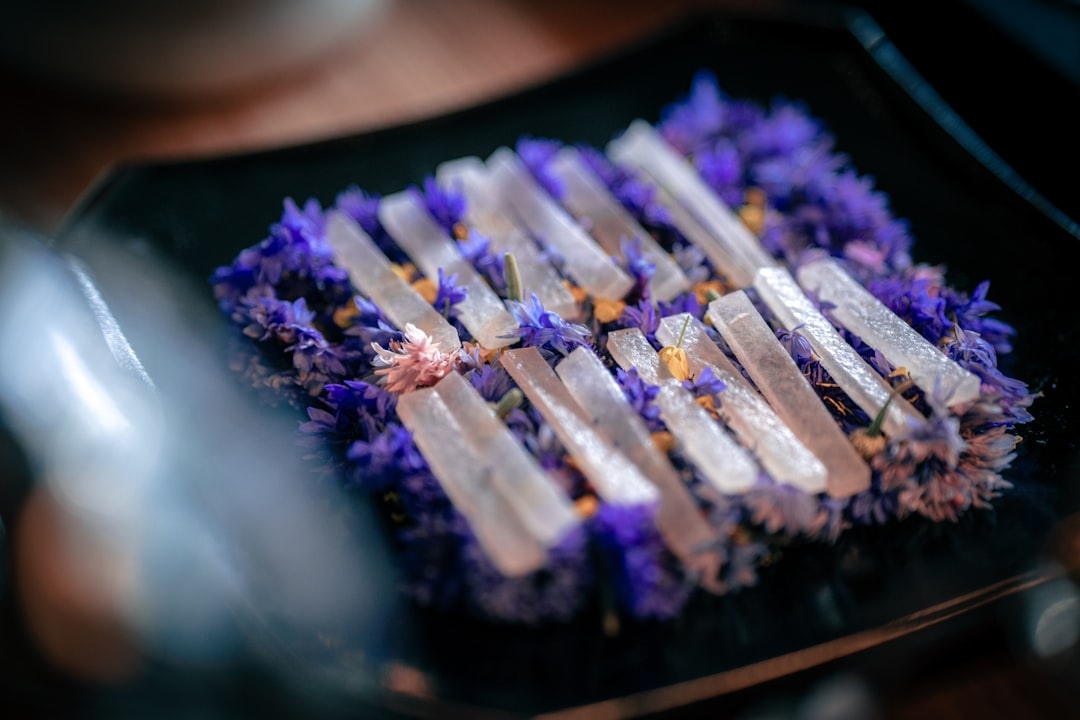
Even seasoned bakers can run into a few speed bumps. Here’s how to prevent the most common mishaps.
Why Did My Flowers Turn Brown or Wilt?
- Too much egg white or sugar: Use a feather-light touch.
- Flowers too wet: Ensure they’re bone dry before coating.
- Dried in humidity: Use a dehumidifier in sticky climates. Avoid refrigerating.
Why Are My Crystallized Flowers Sticky?
- Not fully dried: Give them another 8-12 hours at room temp.
- High humidity: Try placing flowers in an oven with the light on (no heat) and the door slightly open.
My Flowers Lost Their Color. What Happened?
- Using old blooms: Only the freshest flowers will retain vibrant hues.
- Excess moisture: Pat dry carefully after rinsing.
Are Crystallized Edible Flowers Safe to Eat?
The short answer: Yes–if you use edible flowers, safe egg white, and proper technique.
Safety Checklist
- Source blooms from reputable edible-flower suppliers.
- Wash and dry thoroughly but gently.
- Use only pasteurized egg whites or meringue powder.
- Store finished flowers airtight, dry, and away from sunlight.
In 2026, no major US public-health advisories concern home-use crystallized flowers, provided food-safe practices are followed. Always inform guests about possible allergens.
Cost and Buying Guide for American Cooks
Crystallized edible flowers cost about $1.50 to $3 per piece at US cake supply shops in 2026, depending on size and rarity. DIY versions cost far less, with one $15 box of mixed fresh blooms yielding 30-50 finished flowers.
Where to Buy Ready-Made:
- Etsy artisans: Hand-crystallized pansies $18/dozen + shipping.
- New York Cake Supply: Rose petals $20 for 2 dozen (2026).
- Goldbelly: Special occasion cakes topped with crystallized blooms, $85-$140 per cake (nationwide delivery).
Making your own delivers freshest results–and creative freedom.
Pro Tips for Next-Level Results
A few secrets separate Instagram-worthy creations from sticky, wilted flops:
- Use superfine sugar: Standard granulated can weigh petals down and dull color.
- Don’t crowd while drying: Space each flower at least 1 inch apart.
- Tint your sugar: Blitz sugar with freeze-dried berry powder for subtle color highlights.
- Combine varieties: Mix colors and sizes for painterly effect on cakes.
- Try microflowers: Micro-bachelor’s buttons and alyssum add detail to petit fours.
Frequently Asked Questions
How long do crystallized edible flowers last?
Properly made and stored crystallized flowers last up to 2 weeks in an airtight container at room temperature. Avoid refrigeration, which can cause stickiness or sogginess.
Can you eat crystallized flowers made with raw egg white?
Use pasteurized egg whites, sold in cartons in US supermarkets, or meringue powder to reduce the risk of foodborne illness. Raw egg whites can carry salmonella and are not recommended for children or immunocompromised guests.
Which flowers are poisonous and should never be crystallized?
Never use daffodils, lily of the valley, foxglove, oleander, or azaleas–they’re toxic if consumed. Always research or consult a reputable edible-flower guide before using any new variety.
Can I crystallize flowers ahead of a big event?
Yes. Make crystallized flowers 2-3 days before your event for best color and crunch. Store flat in a cool, dry place, layered with parchment paper and away from direct sunlight.
What’s the easiest flower for beginners to crystallize?
Violets and pansies are most beginner-friendly–sturdy, flavorful, and their flat petals are easy to coat evenly.
Take Your Edible Flowers Even Further
Ready to impress at your next dinner party or baby shower? Try crystallizing a batch of fresh lavender, pansies, or rose petals, and stash them in your pantry. Use them not just for cakes, but to finish off simple shortbread cookies or cocktails. Document your creations and tag small US flower farms or bakers–2026’s edible flower movement is blooming, and your kitchen might be its next inspiration.