Contents:
- Which Flowers Are Scent-Free? (Fast Answer)
- Why Scent-Free Flowers Matter at Work
- Allergy and Sensitivity Stats
- Best Scent-Free Flowers for Office Arrangements
- Orchids
- Tulips
- Gerbera Daisies
- Calla Lilies
- Hydrangeas
- Alstroemeria (Peruvian Lilies)
- Sunflowers
- Scent-Free Flower Comparison Table
- What to Avoid: Flowers That Can Cause Scent Sensitivities
- The Usual Suspects
- Roses: Some Are Safe
- Mixed Bouquets
- How to Choose, Order, and Display Scent-Free Flowers at Work
- Sourcing from US Florists
- Tips for Display
- Smart Placement
- Pull-Quote
- Creative Alternatives: Non-Floral Options for Scent Sensitivity
- FAQ: Scent-Free Flowers for the Office
- What flowers have no smell at all?
- Are any roses scent-free?
- Can people be allergic to scent-free flowers?
- Where can I buy scent-free flowers for delivery in the US?
- How do I keep scent-free flowers fresh at the office?
Scent-Free Flowers for an Office Environment
You crack open a box of pastries in the breakroom at 8:57 AM, and a sweet aroma wafts through the air. Nice, right? But swap that for a heavy floral scent, and suddenly someone’s reaching for allergy meds or wrinkling their nose at their keyboard. In offices where dozens work closely together, even the most beautiful blooms can create headaches–literally. What about the folks who love flowers but need a scent-free space? Good news: more florists in the US are prioritizing scent-free flowers for offices in 2026 than ever before.
Which Flowers Are Scent-Free? (Fast Answer)
Most popular scent-free flowers for office environments include:
- Orchids (Phalaenopsis, Dendrobium)
- Tulips
- Gerbera daisies
- Calla lilies
- Ranunculus
- Alstroemeria
- Hydrangeas
- Anthurium
- Sunflowers
These flowers are widely available through US retailers like 1-800-Flowers and The Bouqs Co., and are safe picks for scent-sensitive workplaces. Be careful with lilies, roses, and freesias–they’re often fragrant.
Why Scent-Free Flowers Matter at Work
Allergy and Sensitivity Stats
Roughly 1 in 5 Americans report scent sensitivity, according to a 2022 report from the American Academy of Allergy, Asthma & Immunology. Multiple studies also show that heavily scented florals can trigger migraines or allergies in up to 15% of office workers.
The modern US office is evolving: open-plan layouts, fewer individual offices, and more communal spaces. This means one employee’s flower arrangement sits in shared air with a lot of noses. Scent-free bouquets make it possible for everyone to enjoy a touch of nature–without side effects.
“We curate scent-free arrangements for over 30 corporate clients in Manhattan alone,” says Jaime Torres, lead designer at Urban Petals NYC, “because HR teams want to avoid allergy complaints.”
Best Scent-Free Flowers for Office Arrangements
1. Orchids
Orchids, especially Phalaenopsis varieties, are near-universally scentless and last up to three weeks. They come in elegant whites, pinks, and even graphic spotted patterns. Dendrobium orchids add height and drama without fragrance. In 2026, you can find sustainable orchid options for under $45 at Trader Joe’s or order office-delivery plants from Bloomscape.
2. Tulips
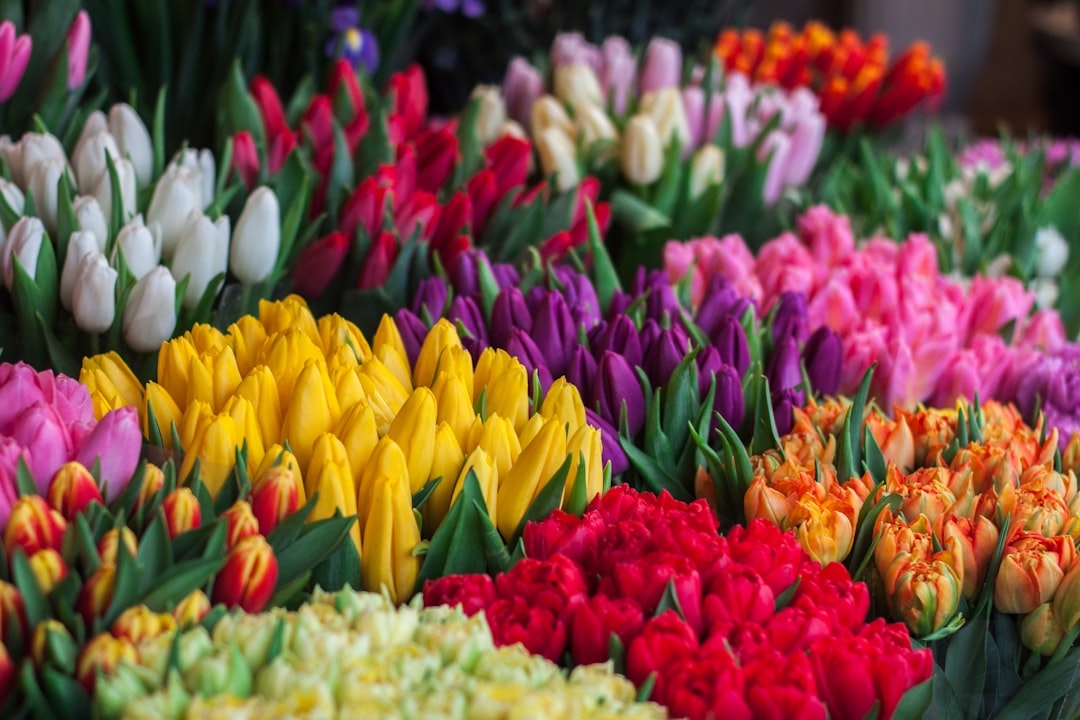
Classic, cheerful, and truly unscented. Tulips work well in shared spaces because they’re non-toxic and low-maintenance. From January through May, you’ll find fresh bunches for as little as $12 at Whole Foods or your local florist.
3. Gerbera Daisies
These come in an astounding palette: hot pinks, reds, yellows, even lime green. Zero scent. Gerberas lend a pop-art vibe to office settings and last about 7-10 days in water.
4. Calla Lilies
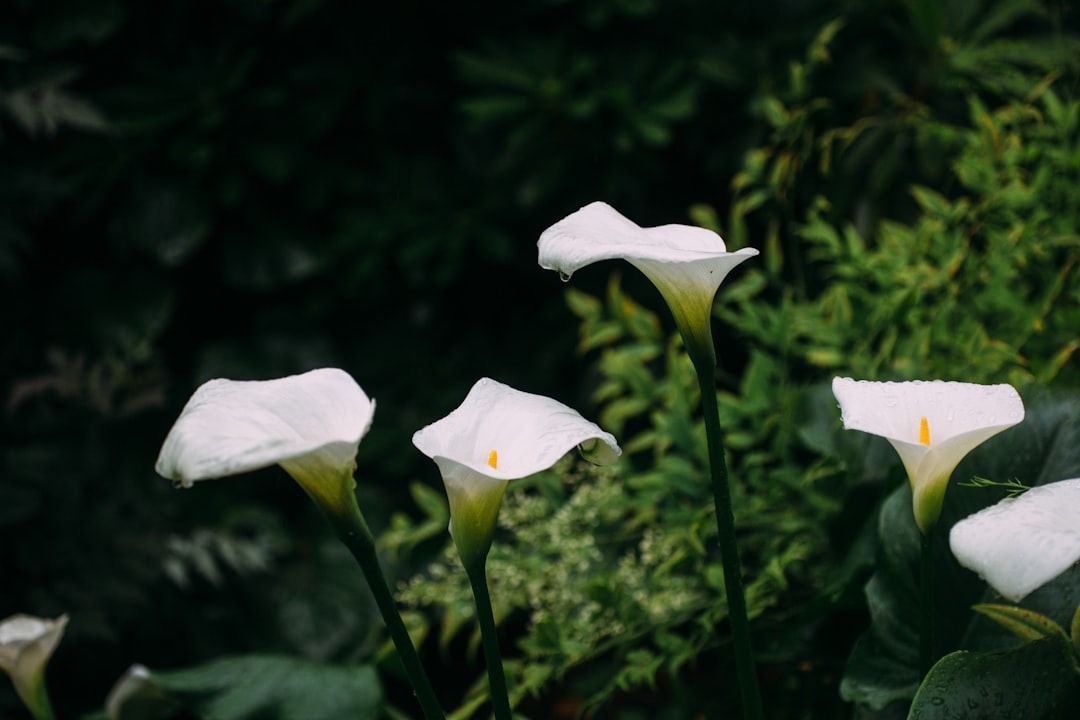
With their sculptural, minimalist look and neutral aroma, callas are a rising star in office floristry. They’re a bit pricier–$25+ per bunch–but have exceptional vase life.
5. Hydrangeas
Hydrangeas provide lush volume, making a little go a long way. They’re scent-free and sold year-round in the US thanks to imports from California and Florida. For open-plan offices, blue or green hydrangeas offer a cool, professional mood.
6. Alstroemeria (Peruvian Lilies)
Super common in grocery-store bouquets, alstroemeria are long-lasting (up to 14 days), come in almost every color except blue, and have no aroma.
Florist Anita Feldman, owner of Seattle-based “Desk Blooms,” says, “We use alstroemeria in 80% of corporate bouquets because they’re scentless and practically indestructible.”
7. Sunflowers
Big, bold, and unscented–sunflowers brighten everything from reception desks to conference centerpieces. They’re peak-season in US farms June through September and are widely available via FTD and local flower shops.
Scent-Free Flower Comparison Table
| Flower | Scent Level | Vase Life | Price (USD) | Seasonality |
|---|---|---|---|---|
| Orchid | None | 14-21 days | $30-50 | Year-round |
| Tulip | None | 5-7 days | $10-20 | Jan-May |
| Gerbera Daisy | None | 7-10 days | $15-25 | Year-round |
| Calla Lily | None | 10-14 days | $25-40 | Spring – Fall |
| Hydrangea | None | 7-10 days | $18-30 | Year-round |
| Alstroemeria | None | 10-14 days | $15-25 | Year-round |
| Sunflower | None | 7-12 days | $10-20 | Summer – early Fall |
What to Avoid: Flowers That Can Cause Scent Sensitivities
The Usual Suspects
Lilies (especially Stargazer and Asiatic), freesias, jasmine, and many garden roses–these are the heavy-hitters for floral perfume.
Even small bouquets of these can fill an office with strong scent, which many people find overwhelming or even sickening.

Roses: Some Are Safe
Surprisingly, not all roses are fragrant. If you’re set on roses, look for varieties labeled “no scent” or ask for “Dutch roses” (which are often bred for looks, not smell).
Mixed Bouquets
Be cautious with mixed bouquets from supermarkets or online sellers. Check the label or ask customer service about fragrant varieties–ProFlowers and Teleflora offer “allergy-friendly” filters on their sites as of 2026.
How to Choose, Order, and Display Scent-Free Flowers at Work
Sourcing from US Florists
For consistent scent-free choices, call a local florist and specify “scent-free” when you order. In 2026, major US flower delivery services like The Bouqs Co., UrbanStems, and Floom all offer customizable allergy-friendly options.
Tips for Display
- Keep arrangements small and low to minimize pollen spread.
- Avoid floral foam, which can trap mold.
- Change water every 2-3 days to keep blooms fresh and avoid moldy odors.
Smart Placement
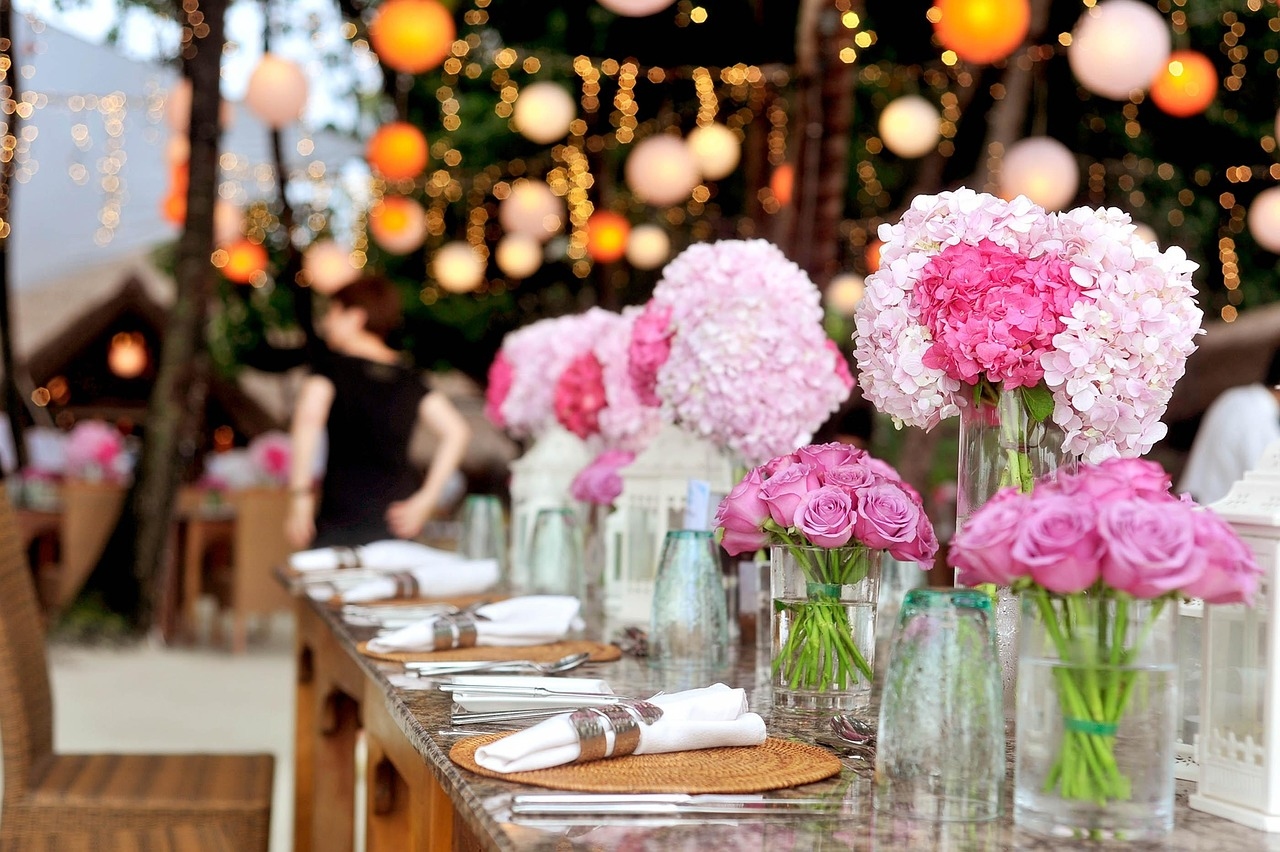
Reception areas, breakrooms, and conference tables are ideal–just skip shared eating or allergy-prone areas. For open-plan offices, opt for one or two larger arrangements instead of many small bouquets to control pollen and clutter.
Pull-Quote
“Choosing scent-free flowers is one of the simplest ways to make your office environment welcoming for everyone. It’s about respect–and a little beauty goes a long way.”
– Dr. Maxwell Greene, Environmental Allergy Specialist, Cleveland Clinic, 2026
Creative Alternatives: Non-Floral Options for Scent Sensitivity
If your workplace is extremely sensitive or has a fragrance-free policy, consider these floral-inspired but scentless choices:
- Faux silk or high-quality artificial flowers (Afloral and Nearly Natural offer realistic arrangements)
- Dried grasses (bunny tail grass, bleached ruscus, pampas)
- Paper flowers (check Etsy for custom options)
- Succulent gardens in ceramic planters
No scent, zero pollen, and zero risk of wilt.
FAQ: Scent-Free Flowers for the Office
What flowers have no smell at all?
Some of the most reliably scent-free flowers are orchids (especially Phalaenopsis), tulips, hydrangeas, gerbera daisies, and calla lilies. These varieties have virtually undetectable aroma, making them safe for shared workspaces.
Are any roses scent-free?
Yes, some roses are bred with little or no fragrance. Look for Dutch roses or ask your florist about scent-free varieties. Many supermarket roses in the US in 2026 are low-scent, but always check before ordering.
Can people be allergic to scent-free flowers?
While scent-free flowers have less airborne pollen and fragrance, severe allergy sufferers may still react to pollen or dust on petals. For ultra-sensitive offices, opt for artificial flowers or low-pollen succulents.
Where can I buy scent-free flowers for delivery in the US?
Most major US florists such as 1-800-Flowers, UrbanStems, and local flower shops can accommodate requests for scent-free or allergy-friendly arrangements. Online platforms like The Bouqs Co. have scent-free filters for easy selection.
How do I keep scent-free flowers fresh at the office?
Change the water every 2-3 days, trim stems diagonally each time you refresh, and keep flowers out of direct sunlight and away from heaters or vents. This routine can double the vase life of most scentless flowers.
Looking to brighten up your desk, lobby, or lunchroom? Next time you order an office bouquet, ask for scent-free flowers by name–or try a silk option for a permanent, no-sneeze upgrade. Your colleagues (and their noses) will thank you.