Contents:
- Is It Okay to Give Flowers to Your Child’s Teacher? (Quick Answer)
- The Unspoken Rules: Why Boundaries Matter with Teacher Gifts
- Pull-Quote
- What Flowers Work – and Which to Avoid
- Best Choices for Classroom Gifting
- What to Skip
- Etiquette Tips: Making Your Floral Gift Feel Just Right
- Always Attach a Note
- Consider Inclusion
- Timing Matters
- Ask the Front Office
- Navigating School Policies on Teacher Gifts
- What Happens If You Ignore the Rules?
- Alternatives to Individual Flower Gifts
- The Takeaway: Flowers to Teachers, With Care
- FAQ: Flowers to Your Kid’s Teacher – Boundaries
- How much can I spend on flowers for my child’s teacher in 2026?
- Are flowers ever inappropriate to give a teacher?
- Can my child give a flower directly to their teacher?
- What’s the best time to give flowers to a teacher?
- What if my school says “no gifts allowed”?
Flowers to Your Kid’s Teacher: Respecting Boundaries in Gifting
A vase full of blooms on a teacher’s desk can send a message louder than words. Yet in 2026, with shifting school policies and heightened sensitivity around student-teacher relationships, a bouquet isn’t always just a bouquet. Before you surprise Ms. Cooper with a dozen roses or a bold sunflower arrangement, it’s worth pondering: could that simple gesture cross a line?
Is It Okay to Give Flowers to Your Child’s Teacher? (Quick Answer)
Most US schools allow small tokens of appreciation, such as flowers, if they’re modest and not tied to grades or special favors. But always check your school’s gifting policy first. Many districts now limit teacher gifts to $25 or less (including floral arrangements), and some discourage personal gifts entirely to avoid perceptions of favoritism. A group or class-wide gift–versus an individual one–often feels more comfortable for teachers and school leaders.
The Unspoken Rules: Why Boundaries Matter with Teacher Gifts
Not all gifts are created equal. Flowers, while classic, can blur lines between genuine appreciation and uncomfortable obligation. According to Dr. Lucia Tran, education policy expert at Brookings, “Even well-meaning families may not realize that teachers must carefully navigate ethics rules, which vary by district and sometimes even by school.”
A few realities for 2026:
- Over 70% of large school districts in the US have written policies about acceptable teacher gifts (National Educators Association, 2025 survey).
- Some states (like Massachusetts) have strict regulations that any gift, including flowers, cannot exceed $50 total value per teacher per year.
- Multiple teachers, secretaries, and paraprofessionals interact with your child – singling out one can cause awkwardness.
Pull-Quote
“It’s never about the size of the bouquet. It’s about making everyone feel appreciated–students, families, and educators alike.”
– Leah Stillman, Certified Floral Designer & PTA President, Portland, OR
What Flowers Work – and Which to Avoid
Best Choices for Classroom Gifting
Think simple, cheerful, and allergy-friendly. Opt for:
- Daisies, sunflowers, zinnias: Colorful but low on fragrance.
- Gerbera daisies: Long-lasting and non-allergenic.
- Succulents or small potted plants: Easy for teachers to care for at home or in class.
Major US delivery services like UrbanStems and Bouqs recommend sticking with petite arrangements (usually $20-$30, delivery included) for school gifting in 2026. Many even offer “Teacher Appreciation” bundles with neutral note cards.
What to Skip
Some arrangements might be too much–or send the wrong message:
- Red roses: Often read as romantic, not platonic.
- Strongly scented flowers: Lilies, hyacinths, or gardenias can trigger allergies.
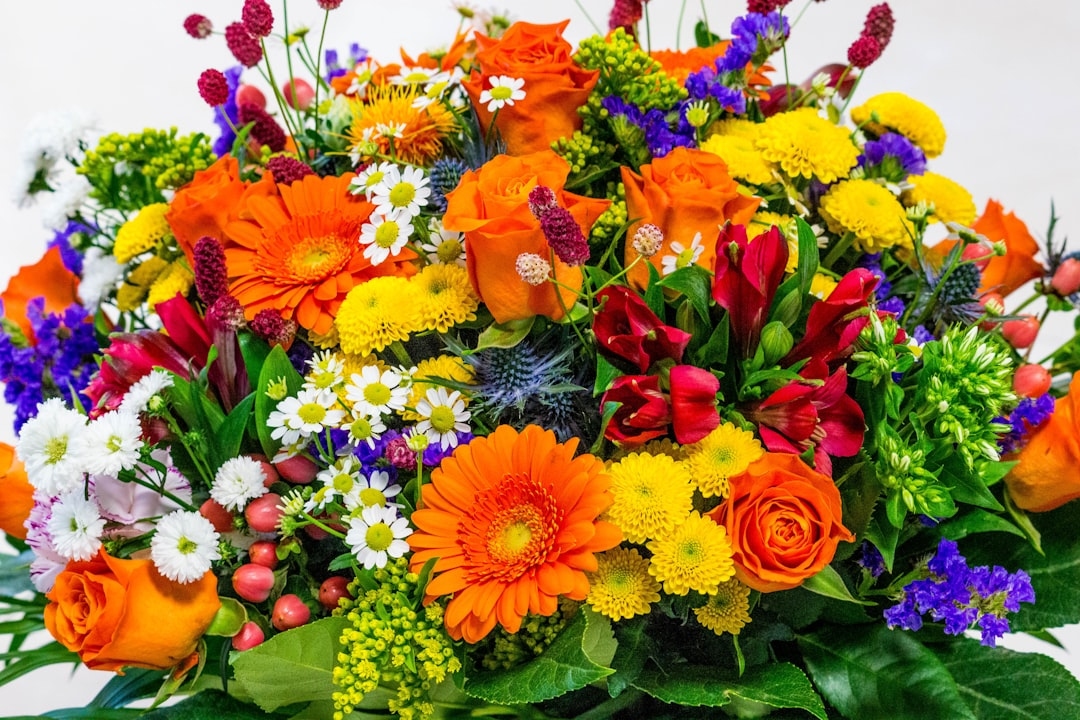
- Oversized bouquets: Difficult for commuting teachers and can feel showy or uncomfortable.
Comparison Table: Good vs. Awkward Flower Choices
| Flower Type | Appropriate? | Why/Why Not |
|---|---|---|
| Sunflowers | Yes | Bright, cheerful, not romantic |
| Gerbera Daisies | Yes | Non-allergenic, long-lasting |
| Red Roses | No | Romantic connotations |
| Lilies | No | Strong scent, allergy risk |
| Succulent Plant | Yes | Useful, durable, not showy |
| Large Mixed Bouquet | No | Over-the-top/awkward |
Etiquette Tips: Making Your Floral Gift Feel Just Right
Always Attach a Note
The gift means more with context. A handwritten note from your child, even one sentence, adds warmth and genuine appreciation. For instance, “Thank you for making reading fun!” goes miles further than a blank card or just your family’s name.
Consider Inclusion
If you’re excited to thank your child’s main teacher, think about the art, music, or special education teacher too. In 2025, 60% of surveyed US teachers reported feeling left out when only homeroom teachers received public appreciation (TeachersCount, 2025). A group card or a communal bouquet in the staff room is a gracious move.
Timing Matters
Avoid gifting during grading periods or after contentious parent-teacher meetings. National PTA guidelines suggest Teacher Appreciation Week (May), winter holidays, or the last day of school as classic windows for flower gifts.
Ask the Front Office

Not sure what’s allowed? School secretaries know the local policies and the teachers’ comfort levels. A quick phone call avoids missteps.
Navigating School Policies on Teacher Gifts
Every US school has its own take. In 2026, heightened scrutiny on ethics means that even classic gifts like flowers may come under review.
- Public Schools: Most set a firm dollar cap ($25-$50 total per teacher per year), including flowers. Some require gifts to be shared with the staff rather than given directly.
- Private/Charter Schools: Often have more flexibility, but some have no-gift policies to keep gifting equitable.
- Urban vs. Rural: Urban districts, especially on the coasts, are most likely to have strict written guidelines. Rural schools may be more informal, but it’s still polite to ask.
What Happens If You Ignore the Rules?
Teachers might be forced to return the arrangement or hand it to the principal for redistribution–awkward for everyone. According to Marisol Jennings, principal in Austin ISD, “We want families to feel welcome, but rules are there to protect everyone from misunderstandings.”
Alternatives to Individual Flower Gifts
Looking for something heartfelt that skips the potential pitfalls? These alternatives put appreciation front and center–without boundary concerns.
- Class-wide bouquet or potted plant: Organized by the PTA and set in the lounge.
- Letter to the principal: Recognizing your teacher’s hard work officially.
- Classroom supplies with a floral touch: Flower-pattern note pads, seed packets for the class garden, or floral-themed thank-you cards.
- Donation to a classroom fund: Many teachers have DonorsChoose or Amazon Wishlists for “extras” that enrich their classroom.
- Volunteer for a day: Time is a gift that never collects dust.
The Takeaway: Flowers to Teachers, With Care
Giving flowers to your kid’s teacher is a time-honored tradition–done right, it spreads joy. But in 2026, respecting school policies and the teacher’s comfort is as important as choosing the right stems. The best bouquets aren’t about impressing. They’re about gratitude, inclusivity, and keeping boundaries clear.
FAQ: Flowers to Your Kid’s Teacher – Boundaries
How much can I spend on flowers for my child’s teacher in 2026?
Most US public schools cap teacher gifts at $25-$50 per recipient per year, including flowers. Check your district’s website or ask the school office for the current policy before ordering a bouquet.
Are flowers ever inappropriate to give a teacher?
Yes. Highly personal or romantic flowers (like red roses) and large, expensive bouquets can feel inappropriate and may violate gift policies. Always choose simple, modest arrangements and avoid sending flowers during contentious times, like after grade disputes.
Can my child give a flower directly to their teacher?
Generally yes, as long as the flower is modest (a single stem or small bunch) and the district allows personal gifts. Attaching a note from the child makes the gesture feel genuine and thoughtful.
What’s the best time to give flowers to a teacher?
Teacher Appreciation Week in May, just before winter break, or the last day of school are classic times. Avoid gift-giving immediately after report cards or parent-teacher meetings to prevent any perception of impropriety.
What if my school says “no gifts allowed”?
If your school prohibits teacher gifts, consider a thank-you note, a class-signed card, or donating classroom supplies. These options show appreciation while respecting boundaries.
A simple flower can brighten a teacher’s week–but knowing how, when, and why to give makes all the difference. Before you buy, check the rules, talk with your child, and aim for inclusion. Gratitude doesn’t need to be grand–it just needs to feel right.