Contents:
- Quick Answer: How Many Varieties of Snapdragons Are There?
- What Exactly Is a Snapdragon?
- The Three Main Types: Dwarf, Intermediate, and Tall Snapdragons
- Dwarf Snapdragons
- Intermediate Snapdragons
- Tall Snapdragons
- Recognized Species and Wild Types
- Cultivated Varieties: Hundreds and Counting
- Color Varieties
- Snapdragons in Modern Floristry
- Year-Round Snapdragons
- Design Trends
- Why So Many Varieties? The Science of Snapdragon Breeding
- How to Choose the Right Snapdragon Variety
- Buying Tips
- FAQ: Snapdragons Varieties & Growing in the US
- How many snapdragon species are there worldwide?
- How many snapdragon cultivars exist today?
- What is the most popular snapdragon variety for florists in 2026?
- Can snapdragons be grown year-round in the U.S.?
- Do snapdragon varieties have fragrance?
- What’s Next for Snapdragons in the U.S.?
How Many Varieties of Snapdragons Actually Exist?
On a foggy June morning in Salinas Valley, a truckload of snapdragons arrives at a bustling California flower market. Buckets brim with pastel pinks, vivid reds, moody burgundies–some tall, some sweetly short, all with those unmistakable dragon-shaped blooms. But how many varieties of snapdragons are there, really? The answer may surprise even seasoned florists.
Quick Answer: How Many Varieties of Snapdragons Are There?
As of 2026, horticulturists recognize over 60 distinct species of snapdragons (genus Antirrhinum) and hundreds of cultivated varieties (cultivars) worldwide. In the U.S. floral trade, you’ll regularly see about 40-50 named snapdragon cultivars available commercially each spring, spanning three main height classes: dwarf, intermediate, and tall. Snapdragons come in nearly every color except true blue, with new hybrids debuting almost yearly.
What Exactly Is a Snapdragon?
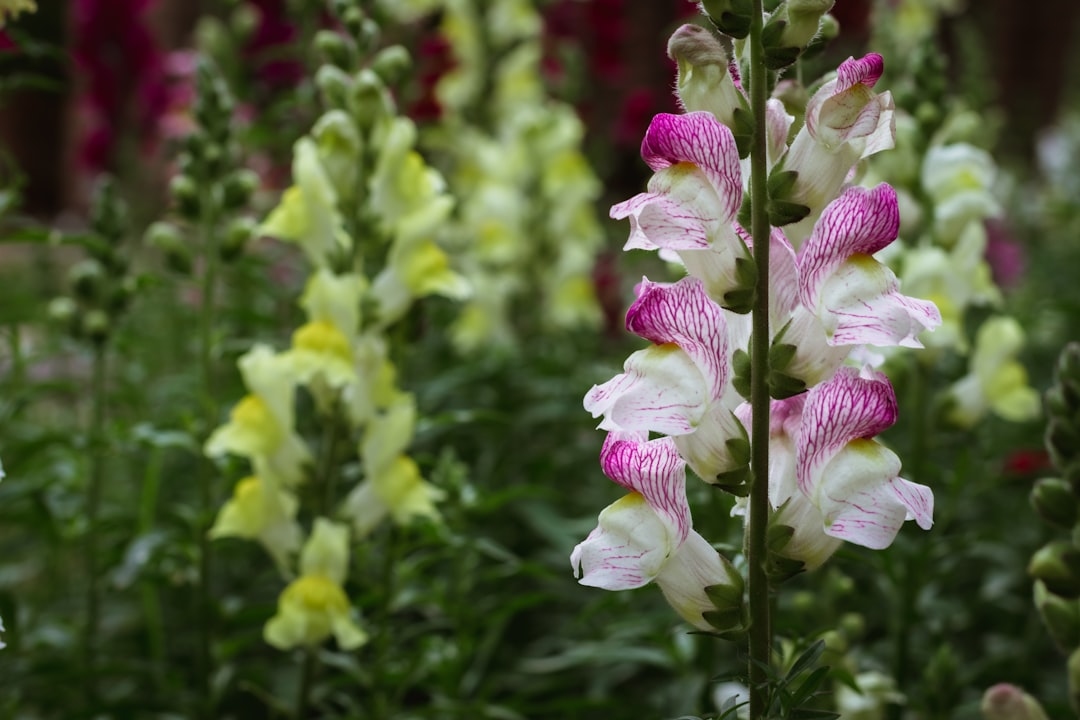
Snapdragons, or Antirrhinum majus, have held a cherished spot in American gardens and bouquets for over a century. Native to the Mediterranean, these quirky flowers owe their name to the blossom’s dragon mouth–you can gently pinch the sides, and the “jaws” snap open and closed. By the mid-20th century, breeders were producing American-grown snapdragons by the acre, cementing their role in spring weddings and Mother’s Day arrangements.
- Scientific name: Antirrhinum majus (most common garden type)
- Common colors: White, yellow, peach, pink, red, purple, burgundy, bicolor
- Peak season in the US: March through August (field-grown), year-round (greenhouse)
The Three Main Types: Dwarf, Intermediate, and Tall Snapdragons
Walk into any U.S. florist–say, a local FTD shop in Chicago or a Farmgirl Flowers studio in San Francisco–and you’ll spot snapdragons sorted by size. Growers and designers classify snapdragons by height because it shapes everything from garden borders to vase arrangements.
| Class | Height (inches) | Common Cultivars | Typical Uses |
|---|---|---|---|
| Dwarf | 6-15 | Montego, Twinny, Floral Showers | Bedding, pots, mixed borders |
| Intermediate | 16-24 | Sonnet, Liberty Classic, Rocket | Cutting gardens, bouquets |
| Tall | 24-48 | Madame Butterfly, Potomac, Chantilly | Florist stems, large displays |
Dwarf Snapdragons
Charming and compact, dwarf snapdragon varieties thrive in window boxes and small gardens. The ‘Twinny’ series is a U.S. favorite–florists love its double flowers that resemble tiny roses. According to Rebecca Sandoval, owner of Brooklyn’s Wildflower Studio, “Twinny Peach remains our top pick for whimsical bridal work in 2026.”
Intermediate Snapdragons
If you order a snapdragon bouquet from The Bouqs Co., chances are you’ll get cultivars like ‘Sonnet’ or ‘Liberty Classic.’ These offer that classic spiky shape in a size manageable for home vases and bouquets.
Tall Snapdragons
The showstoppers of the snapdragon world–some soar well above three feet. The ‘Potomac’ series dominates high-end arrangements for event florists nationwide, praised for its sturdy stems and intense color. ‘Madame Butterfly’ hybrids, with their frilled double blooms, have seen a surge in American design studios since 2024.
Recognized Species and Wild Types
Most gardeners use “snapdragon” to mean Antirrhinum majus, but botanists recognize more than 60 species in the genus Antirrhinum. Only a handful are commonly grown in the U.S., often called “wild snapdragons” or “toadflax” (Linaria spp.). Here are a few you might spot:
- Antirrhinum majus (the classic garden snapdragon)
- Antirrhinum braun-blanquetii (Spanish Snapdragon)
- Antirrhinum molle (soft-leaf snapdragon)
- Antirrhinum tortuosum
- Antirrhinum charidemi
Most wild species have smaller flowers and shorter blooming periods compared to cultivated varieties. The U.S. National Plant Germplasm System (NPGS) maintains a living collection of more than 75 snapdragon accessions from around the world for breeding and research.
“More than 80% of snapdragons grown for the U.S. cut flower industry are hybrids derived from A. majus,” says Dr. Emily Jeffers, floriculture scientist at UC Davis.
Cultivated Varieties: Hundreds and Counting
The snapdragon’s real diversity comes from its hybrids and cultivars. Over the decades, breeders have launched hundreds of named varieties for different uses. Some prioritize bloom size, others focus on novel colors or scent. Here are the series dominating the American flower market in 2026:
- ‘Sonnet’ series: Early blooming, intermediate size. Reliable for cooler zones (USDA 5-7).
- ‘Potomac’ series: The florist’s gold standard–tall, strong stems, and saturated colors.
- ‘Chantilly’ and ‘Madame Butterfly’: Double and open-faced forms, perfect for avant-garde arrangements.
- ‘Montego’: Compact, vibrant, favored for urban container gardening.
- ‘Twinny’: Frilled, double blooms, heavily featured in micro-weddings and flower bars.
Color Varieties
Snapdragons offer a color spectrum unmatched by many annuals–everything but a true blue. Recent years saw the rise of apricot, bronze, and smoky mauve tones, with breeders racing to supply designer demand for moody, painterly color palettes.
- Most popular color in 2026 (US market): Soft apricot-pink (‘Chantilly Light Salmon’ and ‘Twinny Peach’)
- New in 2026: ‘Potomac Bicolor Crimson’–a gradient red-pink snapdragon exclusive to select wholesalers
Snapdragon breeders like PanAmerican Seed and Syngenta Flowers launch new shades nearly every season. “In 2026, demand for complex, antique-style colors is up 40% compared to 2023,” reports Ellen Foster, lead buyer at American Floral Importers.
Snapdragons in Modern Floristry
American florists adore snapdragons for their sculptural lines and long vase life–up to 10 days, with proper care. National flower delivery brands (Teleflora, UrbanStems) frequently feature snapdragons in Mother’s Day, Easter, and graduation bouquets. They’re also trending in sustainable “field-to-vase” arrangements, thanks to their U.S.-grown availability.
Year-Round Snapdragons
While snapdragons are naturally a cool-weather annual, large-scale U.S. greenhouses (notably in California and Colorado) produce them year-round. Wholesale pricing in 2026 hovers between $1.50-$2.50 per stem, depending on length and color–premium double varieties fetch up to $4 a stem during peak wedding season.
Design Trends
Snapdragons have shed their “grandma’s garden” image in the 2020s. Modern U.S. studios, like LA-based Fleurish, arrange tall Potomac snapdragons with smoke bush, daffodils, and ranunculus for wild, textural centerpieces.
“Snapdragons are the backbone of many of our spring and summer arrangements,” says Michael Tran, lead designer at Chicago’s Flora & Vine. “Their palette and height options make them irreplaceable for American floristry.”
Why So Many Varieties? The Science of Snapdragon Breeding
Snapdragons have long been prized by geneticists (they were a model plant for Mendel’s early laws of inheritance). Their naturally variable colors and easy cross-pollination mean that breeders can develop new shades, shapes, and heights every few years.
- Hybrid vigor: Most commercial snapdragon varieties are F1 hybrids, combining strengths from two distinct parent lines.
- Genetic research: The snapdragon genome was sequenced in 2019, accelerating color and disease-resistance breeding projects in the U.S.
- Patent protection: In 2026, over 120 snapdragon cultivars are patented in the U.S., giving breeders an incentive to continually innovate.
How to Choose the Right Snapdragon Variety
With so many options, making a selection comes down to your purpose. Looking for compact, colorful borders? Try ‘Montego Rose’ or ‘Floral Showers Mix.’ Want showy stems for bouquets? Go for ‘Potomac White’ or ‘Chantilly Bronze.’
Buying Tips
- For gardeners: Check local nurseries or order seeds from US brands like Johnny’s Selected Seeds or Burpee; expect seed packs to run $3-$5.
- For florists: Order bunches from domestic wholesalers like Mayesh or Florabundance for best stem quality.
- For DIYers: Many snapdragon varieties (especially dwarf types) perform well in pots and are easy from seed, maturing in as little as 75 days.
FAQ: Snapdragons Varieties & Growing in the US
How many snapdragon species are there worldwide?
There are more than 60 recognized snapdragon species (genus Antirrhinum) worldwide, though only a handful are commonly available in U.S. horticulture.
How many snapdragon cultivars exist today?
In 2026, experts estimate hundreds of snapdragon cultivars, with about 40-50 named varieties regularly sold through U.S. flower markets and seed distributors.
What is the most popular snapdragon variety for florists in 2026?
The ‘Potomac’ series remains the florist favorite for tall, high-quality stems, especially in white, pink, and the new ‘Bicolor Crimson.’
Can snapdragons be grown year-round in the U.S.?
Yes, snapdragons are produced year-round in U.S. greenhouses, with field-grown blooms most abundant from March through August in zones 6-10.
Do snapdragon varieties have fragrance?
While most modern snapdragon cultivars are bred for color and shape, some–like ‘Liberty Classic’–retain a light, sweet scent.
What’s Next for Snapdragons in the U.S.?
Snapdragons show no signs of fading. Each year brings newly bred varieties, even more tailored to the needs of American florists, gardeners, and dreamers. If color trends continue their bold, moody march, expect to see snapdragons leading the way–on city stoops, in wild meadows, and gracing wedding altars coast to coast. This season, try mixing a new variety into your own garden or arrangements, and see which snapdragon personality fits you best.